Cie Financiere Richemont SE jewellery sales are sparkling. On Friday the Swiss luxury group reported that jewellery sales rose 17 percent excluding currency movements in its fiscal second quarter, trouncing even the most optimistic predictions.
The performance underlines that pricey baubles have been a surprise winner from the bling bust. But with an unprecedented number of new designers at fashion brands about to unleash a wave of novel products, and pressure on supply chains from rising gold prices, jewels are set to face some serious competition.
Richemontâs Van Cleef & Arpels Alhambra lucky clover bracelets and chunky HardWear pendants from LVMH Moet Hennessy Louis Vuitton SEâs Tiffany & Co. can continue to shine, but jewellery may no longer be an automatic first choice for many top-end shoppers as it has been for the past few years.
When times get tough, the conventional wisdom is that leather goods outperform. While we might cut back on purchases of designer clothes and shoes, we wonât go without our favorite wallet or handbag. But âgreedflationâ has turned this logic on its head. With the price of some handbags doubling over the past five years, jewellery has become more appealing. It can be worn multiple times, and its precious metal and diamond content means it holds its value â credentials amplified by gold prices surging almost 60 percent in the past year.
Jewels Have Become Better Value for Money
The shift also reflects the evolution of luxury. Itâs been two decades since âIt-pursesâ such as Balenciagaâs City bag and the Phoebe Philo-designed Chloe Paddington first became must-haves for well-appointed accessory aficionados. As consumers have become more comfortable buying leather goods, theyâve graduated to other categories, such as jewels, which are no longer the preserve of the 1 percent.
Branded jewellery is still a relatively small part of the overall market. That means household names, including LVMHâs Bulgari, Fred and Chaumet, Kering SAâs Pomellato and, in the US, Watches of Switzerland Group Plcâs Roberto Coin, can continue to take share. Fashion houses are also moving deeper into fine jewellery to capture more of the market.
Meanwhile, after watches being the only male adornments for decades, men are now experimenting with other forms of self-expression. Jewels are increasingly being worn by male celebrities such as Timothée Chalamet and athletes such as baseball player Miguel Rojas, who has been sporting a Van Cleef & Arpels necklace.
Add in the wealth effect from the S&P melting up and bitcoinâs advance â until recently anyway â and itâs little wonder the category has been gleaming. Sales at Watches of Switzerlandâs US division, of which jewellery make up about 19 percent, rose 20 percent in its fiscal first half.
Investors Are Positioning for Change
But fashion is fighting back. More than a dozen brands, including LVMHâs Dior and Keringâs Gucci, have new designers at the helm. Many recently made their runway debuts, with a raft of new products arriving in stores early next year.
A discreet pair of gold earrings, or a precious metal cuff, have been among the beneficiaries of so-called quiet luxury. As the fashion cycle starts to shift, with more ostentatious looks beginning to make a comeback, spend may shift to more flamboyant pieces once more.
And thereâs another challenge. jewelleryâs value-for-money credentials have been burnished by the rapid inflation in leather goods prices. But the industry now faces its own pressures from more expensive gold , adverse currency movements and the effect of US tariffs.
Given that jewellery inflation has been relatively restrained over the past five years, thereâs more room to absorb the higher costs. But some brands are beginning to pass them onto customers. Cartier is estimated by analysts to have raised prices by a mid- to high-single digit percentage this year, while Tiffany raised US prices by 5 percent in October and Bulgariâs elevation was 6 percent on the majority of US products, according to analysts at Citigroup Inc. If fashion houses can introduce new handbags, which are both exciting and more reasonably priced, the gap with jewellery could narrow.
Whatâs more, while Cartier is gaining popularity in China, according to analysts at TD Cowen, home grown brands are maturing. Laopu Gold Co., known for its Chinese motifs and designs, looks to be the first serious domestic challenger. Little wonder its shares have outperformed Richemont this year.
Jewellery has grown faster than bags, designer clothing and shoes, collectively known in the trade as âsoft luxury,â since 2019, according to analysts at RBC Capital Markets. But if new designers can work their magic, both might expand at similar rates over the next two years.
Fashion Can Catch Up if Designers Work Their Magic
To hold their own against potentially resurgent fashion brands, jewelers must ensure they donât make the same mistake by pumping out stale products at ever-increasing prices. They must continue to refresh their icons, the high-profile and profitable lines theyâre best known for. So far, theyâre managing to shake things up, as demonstrated by a new flexible variation of Cartierâs popular Love bangle â entirely sold out online at Londonâs Selfridges â and new pieces that can be worn in multiple ways from Van Cleefâs Alhambra line. Enhancing the icons is also a smart way to deal with inflationary pressures. The Love Unlimited range is priced at a premium to the original, according to analysts at HSBC Holdings Plc.
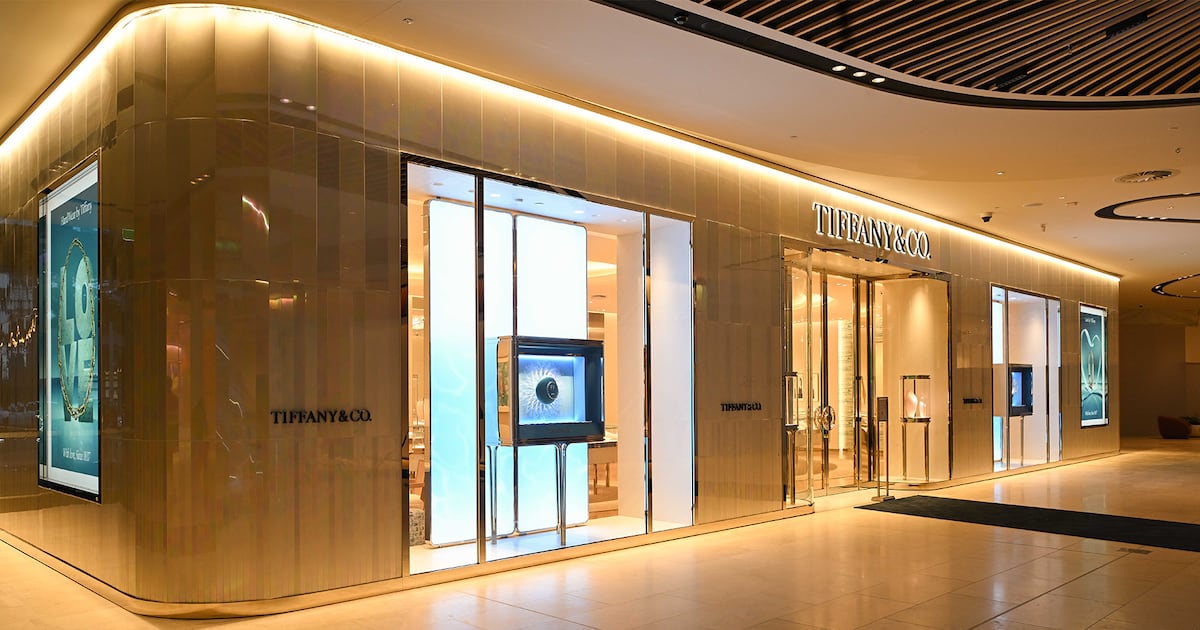
The windows of Tiffanyâs flagship store on Fifth Avenue were recently transformed into gothic masterpieces to celebrate the brandâs collaboration with the Netflix film Frankenstein. If jewellers can continue to combine creativity with careful price management, there should be no horror show when fashion finally rediscovers its flair.
By Andrea Felsted