

:quality(70)/cloudfront-eu-central-1.images.arcpublishing.com/businessoffashion/Q2B3W44AJNBHPN7YAQXGA4VRVU.jpg "Fashion’s Party Is Just About Over. Here Comes the Hangover.")
When Mitsuru Nishizaki sends his last model down the runway at the Ujoh show in Paris on Tuesday, it could mark the end of a charmed era for luxury — and the fashion industry as a whole. A growing chorus of industry executives and experts are warning that the post-pandemic shopping boom is coming to a close.
Luxury brands in particular have had an incredible run almost from the moment the lockdowns lifted in 2020, a gravity-defying streak that has surprised even seasoned industry watchers. Of 15 publicly traded luxury companies, 13 beat analysts’ consensus forecasts for revenue and profits in the second quarter, according to Bernstein. By many indications, the third quarter is shaping up even better.
“People have embraced an attitude of you only live once and are spending money in the process,” Bernstein analyst Luca Solca said in a video sent to the bank’s research customers earlier this month.
We are now in the fourth quarter, and signs of trouble are getting harder to brush off. Inflation is largely to blame. While some wealthy shoppers are happy to pay higher prices for handbags, and consumer spending in the US continues to exceed expectations, it’s inevitable that people will spend less on clothing as more of their disposable income goes to food and energy costs. The US Federal Reserve, the Bank of England and other central banks have vowed to bring inflation down. Their primary mechanism to do so is to reduce consumption by raising interest rates, a painful solution for retailers.
Mid-tier and mass-market brands are bearing the brunt of it so far. Last week, VF Corp., which owns Vans, The North Face and Supreme, was the latest retail giant to lower its short-term outlook. Nike reported strong sales but said inventories jumped 44 percent, and margins are getting tighter due to higher markdowns and rising freight costs, among other factors. This week, Levi Strauss, as good a bellwether for global fashion demand as any, reports quarterly results on Thursday.
Luxury brands are better insulated but not immune to the downshift in the broader economy.
The gloomy mood is one way to interpret the fashion week chatter about how the luxury market feels increasingly oversaturated and in need of new ideas. Insiders love to grouse about too many logos, unnecessary collaborations and the triumph of merchandising over creativity. But those critiques carry more weight when there’s less certainty that consumers are actually going to buy all this stuff. The uncertain outlook for consumer spending, even among the one percent, is going to be on the minds of buyers as they descend on showrooms in Paris.
There are plenty of variables that will determine whether this is a short, shallow dip or a prolonged downturn. As consumer confidence falls, which retailers will turn to markdowns to draw reluctant shoppers to stores? How bad will the energy supply crunch get in Europe this winter? Will China’s economy continue to slow down?
“It’s on a knife edge at the moment,” said Neil Saunders, managing director at GlobalData. “It’s just unrealistic to expect demand to continue to hold up.”
What Else to Watch This Week
Sunday
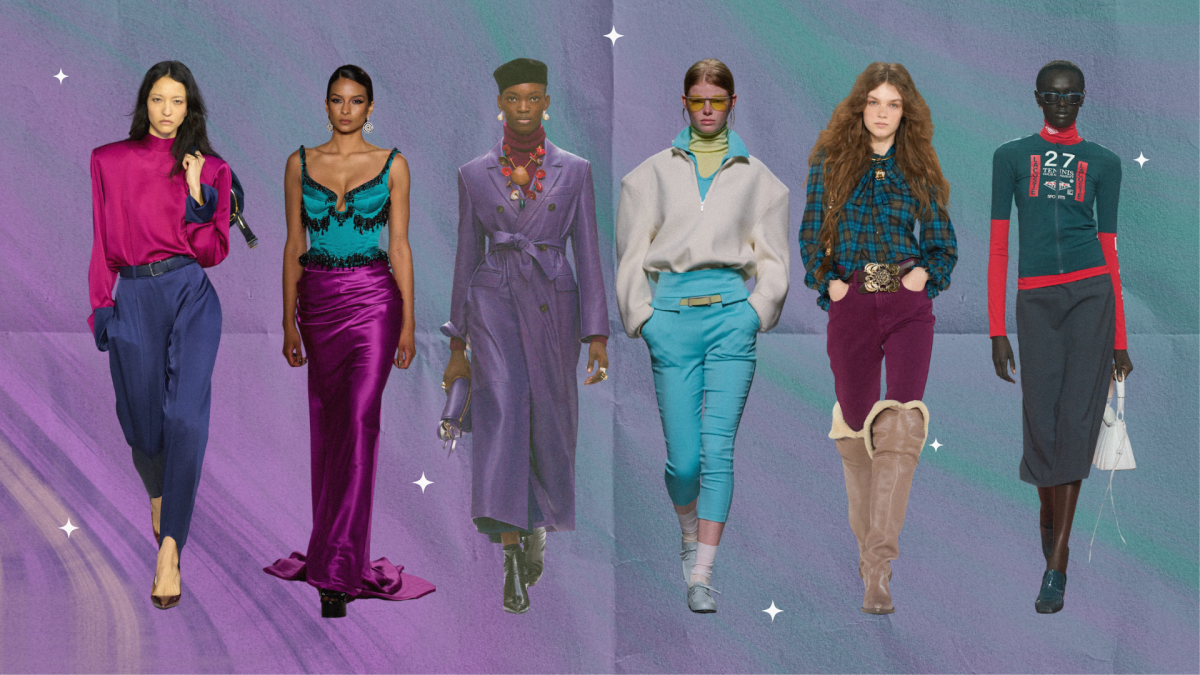
Paris Fashion Week Day 7: Balenciaga, Valentino, Givenchy, GmbH
Brazil holds the first round of its presidential election
The Duty Free & Travel Retail Global Summit begins in Cannes
Monday
Paris Fashion Week Day 8: Stella McCartney, Sacai, Thom Browne, Zimmermann, Lanvin, AZ Factory
Tuesday
Paris Fashion Week Day 9: Chanel, Miu Miu, Louis Vuitton, Ujoh
Thursday
Levi Strauss results
Euro Area retail sales for August
Friday
Thebe Magugu fashion show at V&A on Oct. 7
Golden Week (China) ends
US unemployment data for September
The Week Ahead wants to hear from you! Send tips, suggestions, complaints and compliments to brian.baskin@businessoffashion.com.


:quality(70)/cloudfront-eu-central-1.images.arcpublishing.com/businessoffashion/Q2B3W44AJNBHPN7YAQXGA4VRVU.jpg&description=Fashion%E2%80%99s+Party+Is+Just+About+Over.+Here+Comes+the+Hangover.)