Grade: B
AI had big years in 2023 and 2024, but heading into 2025, consumers and industry analysts began waving caution flags. Some skeptics warned that AI development would hit a “wall” this year. Others worried that companies like Google and Apple were overpromising, leaving them vulnerable to underdelivering.
I made a few predictions at the end of last year, and most of them seem to have panned out. AI has arrived on operating systems in short order, and it’s becoming more agentic and actionable. I was wrong about a few things, too — namely, Samsung shocked me by making it clear which Galaxy AI features run on- and off-device, allowing Galaxy users to disable online features with a single toggle.
Now that 2025 is nearing its conclusion, let’s grade how the AI industry as a whole and some of its biggest companies fared.
Reviewing my predictions for AI in 2025
Following the colossal failure of dedicated AI devices like the Humane AI Pin or Rabbit R1, I correctly predicted the industry would pivot and try to put AI directly into our mobile operating systems.
Google led the charge, adding Gemini as a permanent Google Assistant replacement across Android, Wear OS, and more. Microsoft’s Copilot is the heart of Windows, and Apple is still trying (but failing) to make Apple Intelligence the architect of iOS and macOS.
That said, it’s wild to me that Gemini Live’s multimodal video and screen sharing only debuted in 2025, considering how quickly it’s become an instrumental Android feature. At this point last year, multimodal Gemini Live video was only a prototype as Project Astra. Not only did Project Astra go public on Pixel devices as expected, but it also came to basically every Android device.
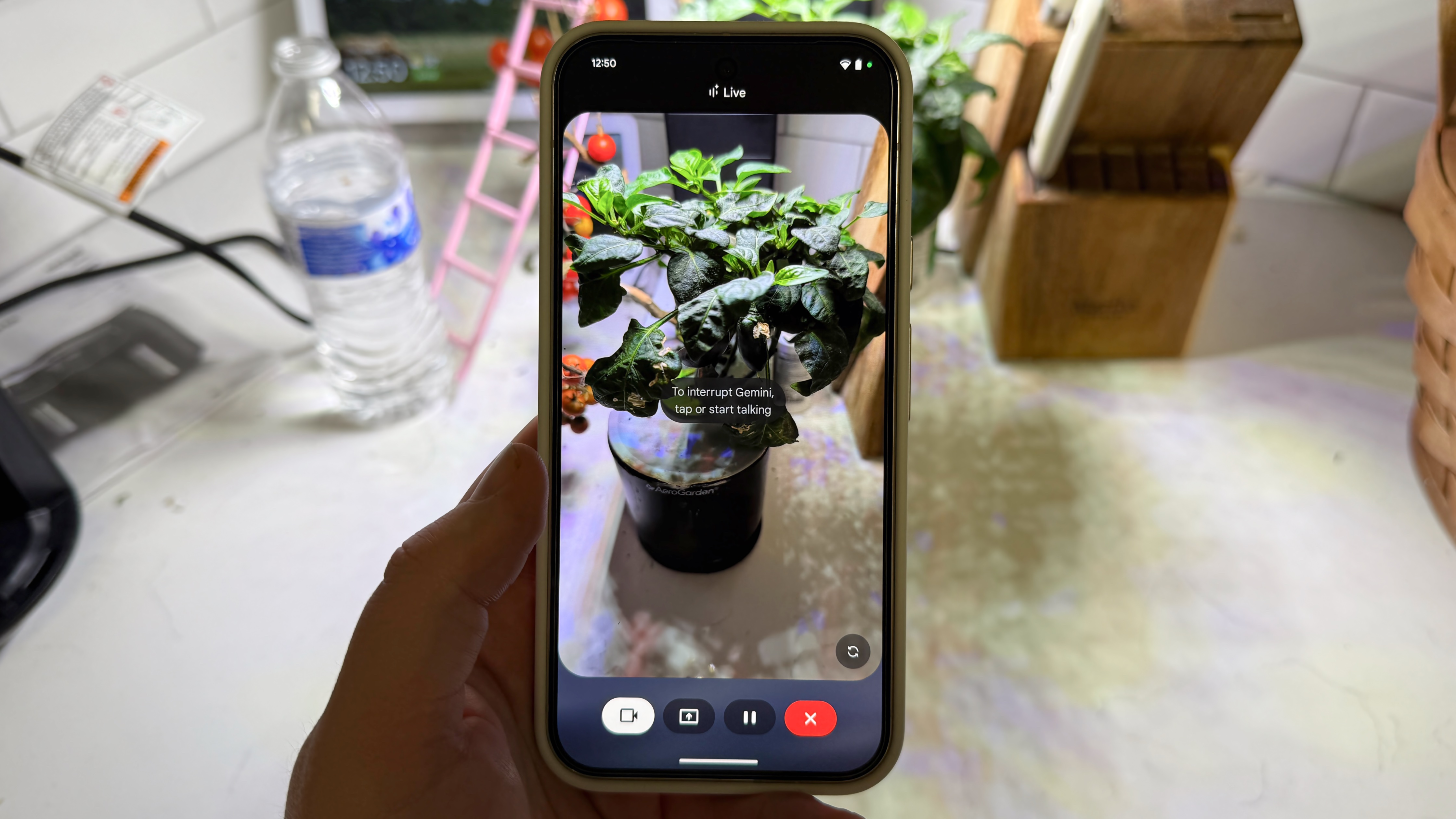

Google checked the multimodal box with Gemini Live, and the combination of audio, visual, and text-based inputs has become a common way to use AI. Agentic control developed a bit slower than I expected, with the Gemini Agent and the agent-based Google Antigravity app only materializing of late. OpenAI‘s AgentKit debuted similarly late in October. Alas, it’s clear AI agents are the current goal for the biggest companies.
I was hopeful that we’d see more AI features built right into the OS, ideally using more on-device AI. That doesn’t seem to have happened. Gemini Nano still handles some on-device processing for Pixels, and the same is true for Galaxy AI on Samsung phones, but growth is slower than I expected.

In late 2024, both the CEOs of Google and OpenAI pushed back on the idea that AI would hit a “wall.” I didn’t think progress would stall; rather, I thought companies like OpenAI, Anthropic, and Google would all challenge each other to be better. That happened, with these companies trading places on leading AI benchmarks throughout 2025.
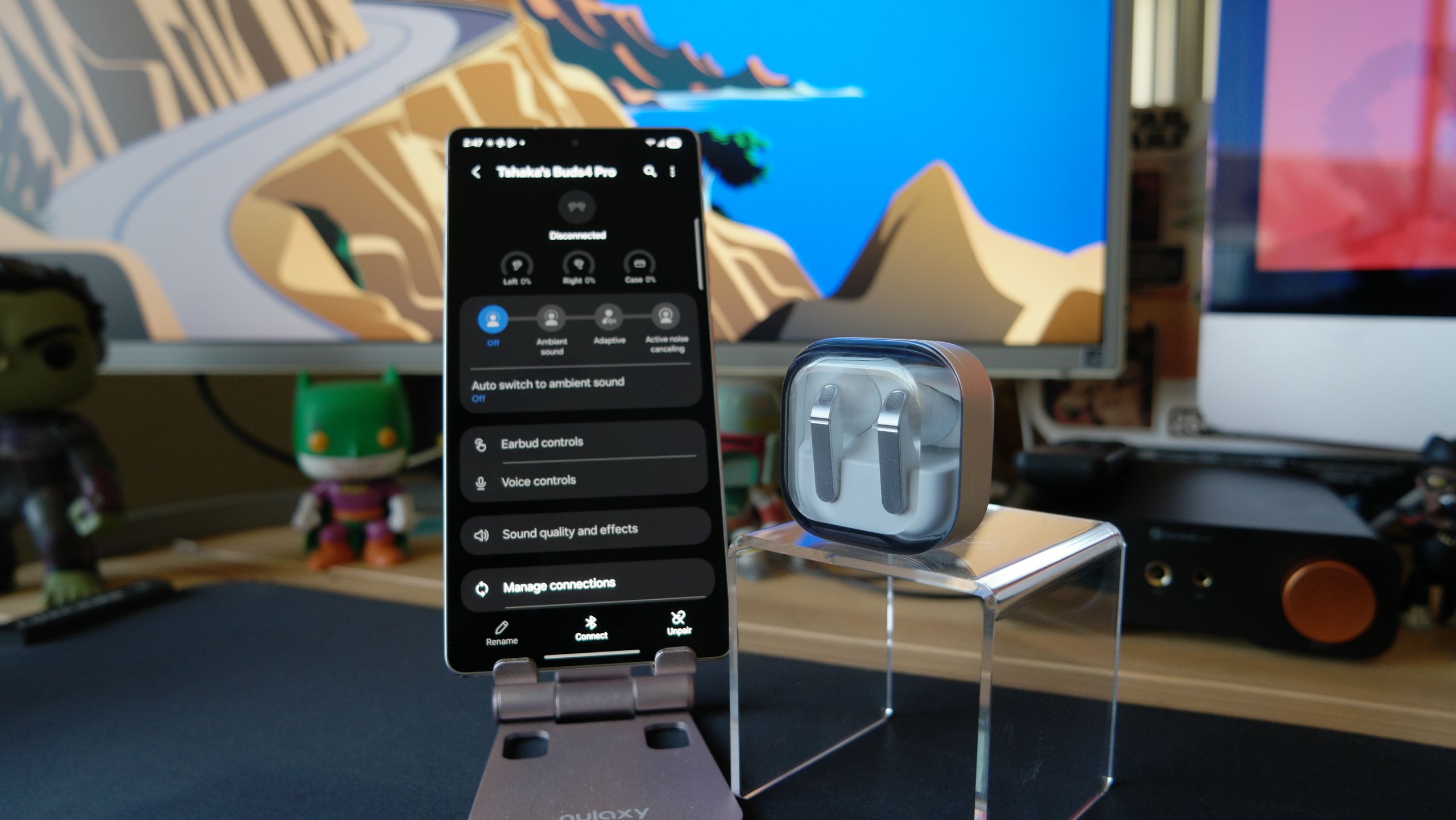
I also expected the lines between on-device and off-device processing would continue to blur. Samsung proved me wrong by adding a toggle that lets you choose whether to process AI data only on your device. I’m still waiting for other companies to follow suit, though.
Google in 2025: A
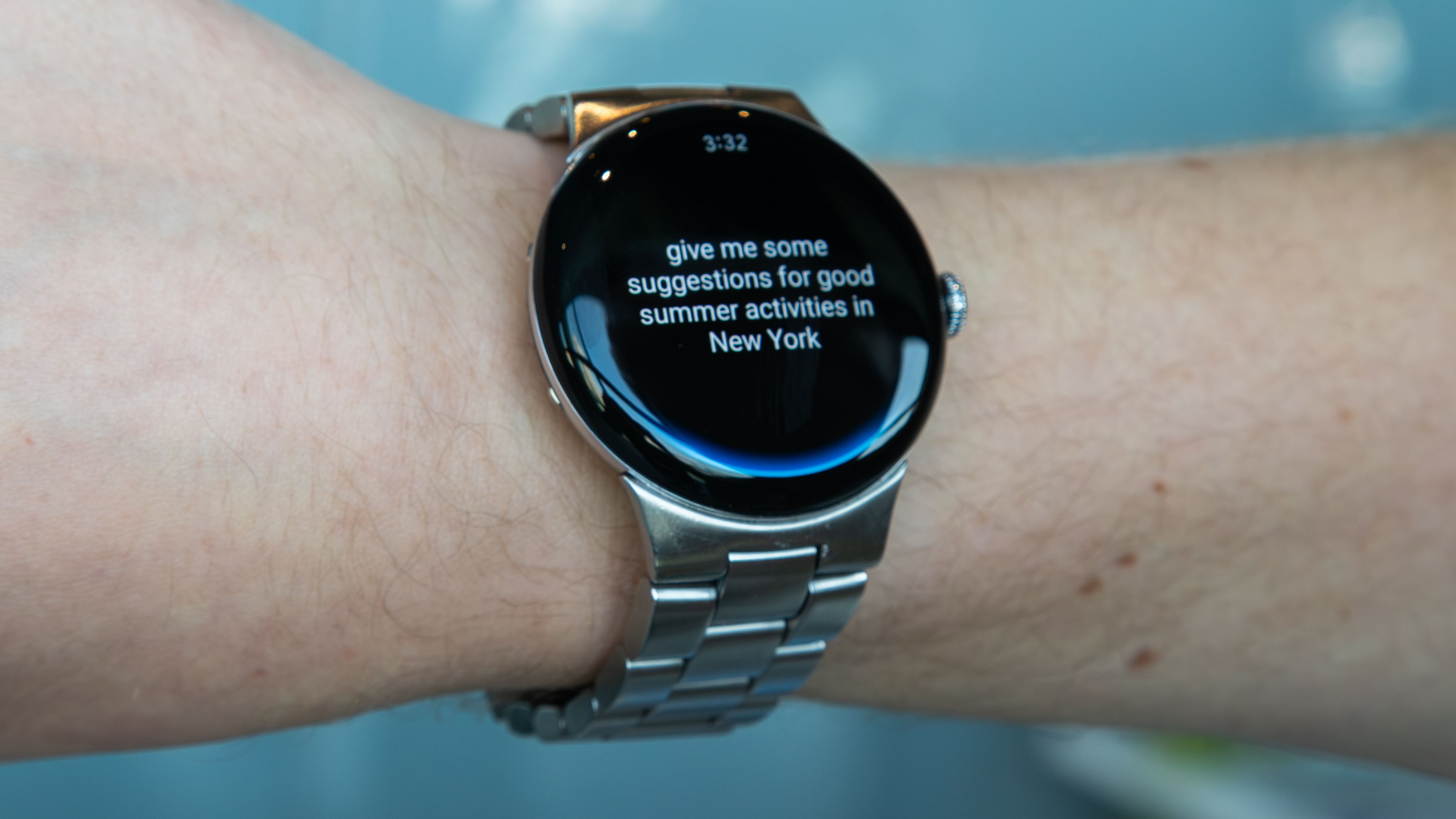

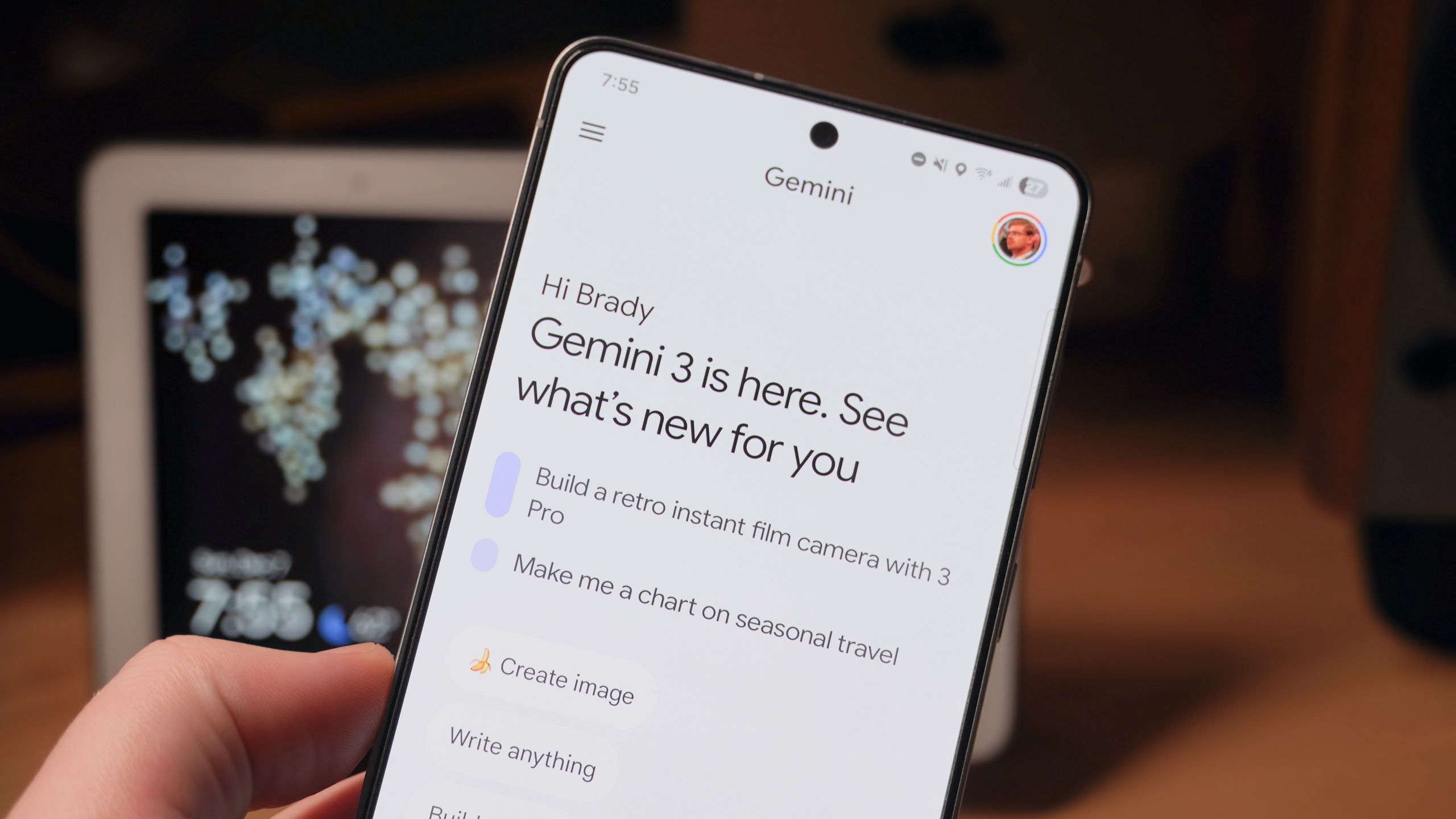
Google had a major year for AI in 2025. The company seems to be finally firing on all cylinders, and Gemini 3 is the culmination of that. It hit milestone after milestone this year, growing Gemini’s monthly active user count to nearly 350 million as of November.
The bigger moment for me was when Gemini briefly became the number one free app on the iPhone App Store. It’s easy for Gemini to succeed on Google platforms where it’s placed front and center. But on iOS, where users have to actively seek Gemini instead of convenient options like Apple Intelligence with ChatGPT integration? Gemini’s success there is an outstanding sign of what’s to come for Google.
Over 150 million accounts are subscribed to Google AI Pro. It’s monetizing the experience with advertising tests in AI Overviews and AI Mode in Google Search, and it’s earning revenue from AI dev tools via Google Cloud.
In terms of features, Google released more than I can recap in this article. Some highlights include Gemini Live’s video and screen-sharing support, the Google Antigravity AI-based IDE, and the Nano Banana image generator. I’ll also tip my cap to Google for continuing to make tons of AI features available for free, including on discontinued smart home devices.
Really, it’s hard to pick apart Google’s AI strategy this year, which is why I’m giving it an A grade. If I had to nitpick, I’d say I’m concerned Google isn’t making brand partnerships — like Meta’s integration with Garmin or OpenAI’s deal with Disney — as these may prove important heading into 2026.
OpenAI in 2025: B-
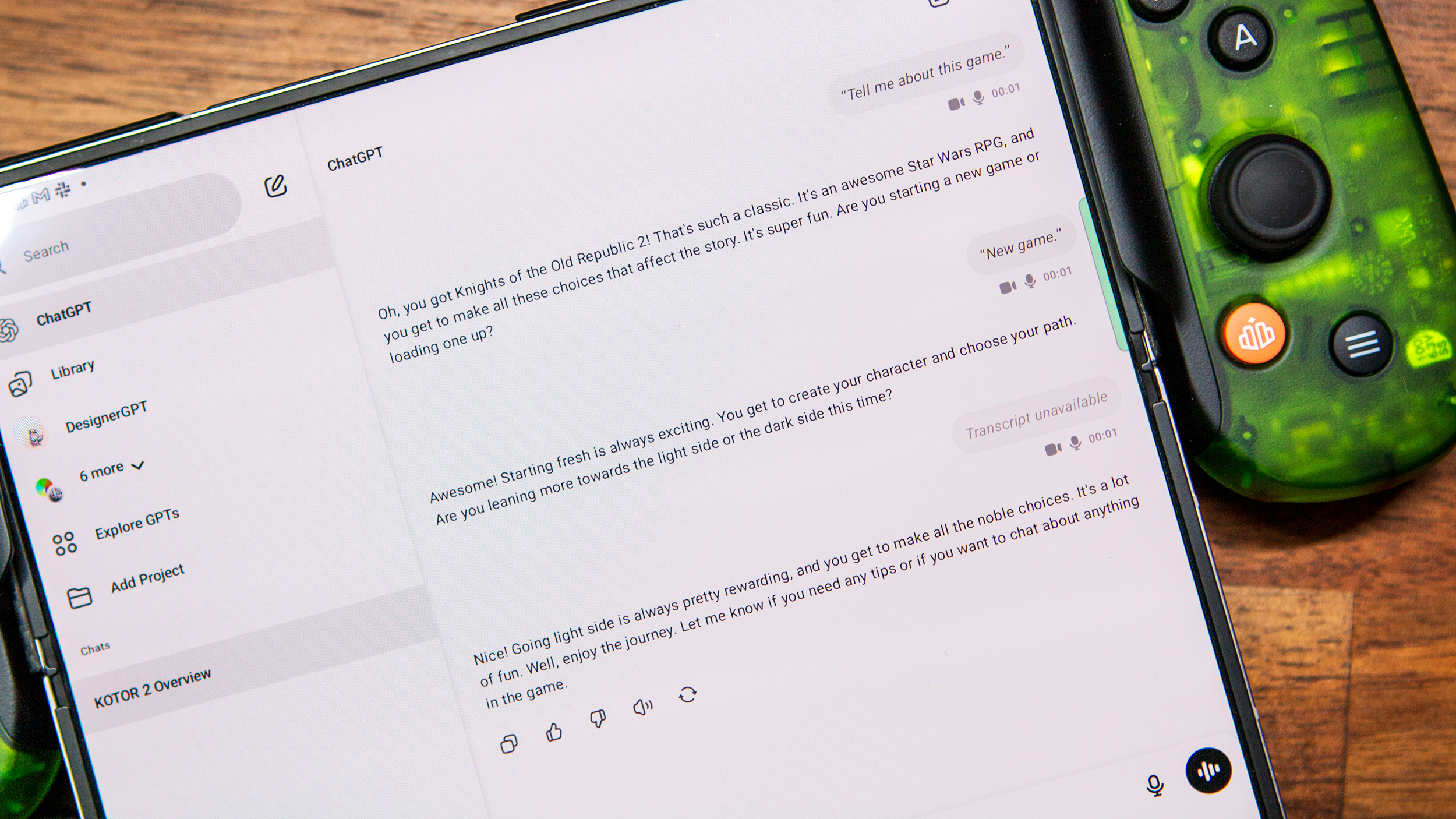

OpenAI feels like a company retooling and looking toward the future rather than aggressively building AI products right now. The company is making a handful of long-term bets that could make its 2026 look a lot better than the B- grade it’s looking today. However, as it stands now, OpenAI’s market share is being chipped away at by competitors, and its leading GPT-5.1 and now GPT-5.2 models are struggling in benchmarks and among users.
While ChatGPT still has a gigantic user base compared to the competition, at nearly 900 million monthly active users, its priorities feel questionable. ChatGPT recently added group chats, as if we needed another DM inbox. And there are signs the ChatGPT app could be flooded with ads based on early reports.
On the other hand, OpenAI is valued at $500 billion, giving it significant power. The company successfully restructured to become a for-profit entity, a bigger feat than any AI model or feature it could’ve released in 2025 (even if the departure from non-profit status feels questionable to outsiders).
OpenAI partnered with one of the greatest designers of our lifetime, Jony Ive, and has a working prototype of its upcoming AI device. It made a deal with Disney that turned the Mickey Mouse brand against Google, and in the process, OpenAI received a $1 billion investment from Disney. The fleecing makes Sora easily the best consumer-facing AI video-generation product.
I’ll state it plainly — if OpenAI uses its for-profit status to its advantage, builds a killer AI device with Ive, and Disney becomes Sora’s ace, we could easily look back on 2025 as a great year for the company. For now, there simply aren’t enough results to justify giving OpenAI more than a B- grade.
The rest in 2025: C

The grade “C” is supposedly average, and just about every other AI company not named Google or OpenAI was average in 2025.
The lone exception in my book is Meta, which earns a B grade. It’s making the best face-worn multimodal AI technology with Meta smart glasses. Garmin integration with Meta AI is genuinely amazing.
The problem? Meta is shoving AI everywhere its users don’t want it, and turned the Meta smart glasses companion app into an endless scroll feed for AI slop. The move is so bad that I’m tempted to give Meta an F grade for this alone, but I’ll be fair and give it a B for how far Ray-Ban Meta and Oakley Meta glasses are ahead of the competition.
Apple and Samsung were strictly average in 2025, with neither releasing game-changing new features. Apple correctly avoided overpromising this year, which I give it credit for. The flip side is that it didn’t release anything of note on the AI front, either. For Samsung, its best AI features can be traced back to Google.
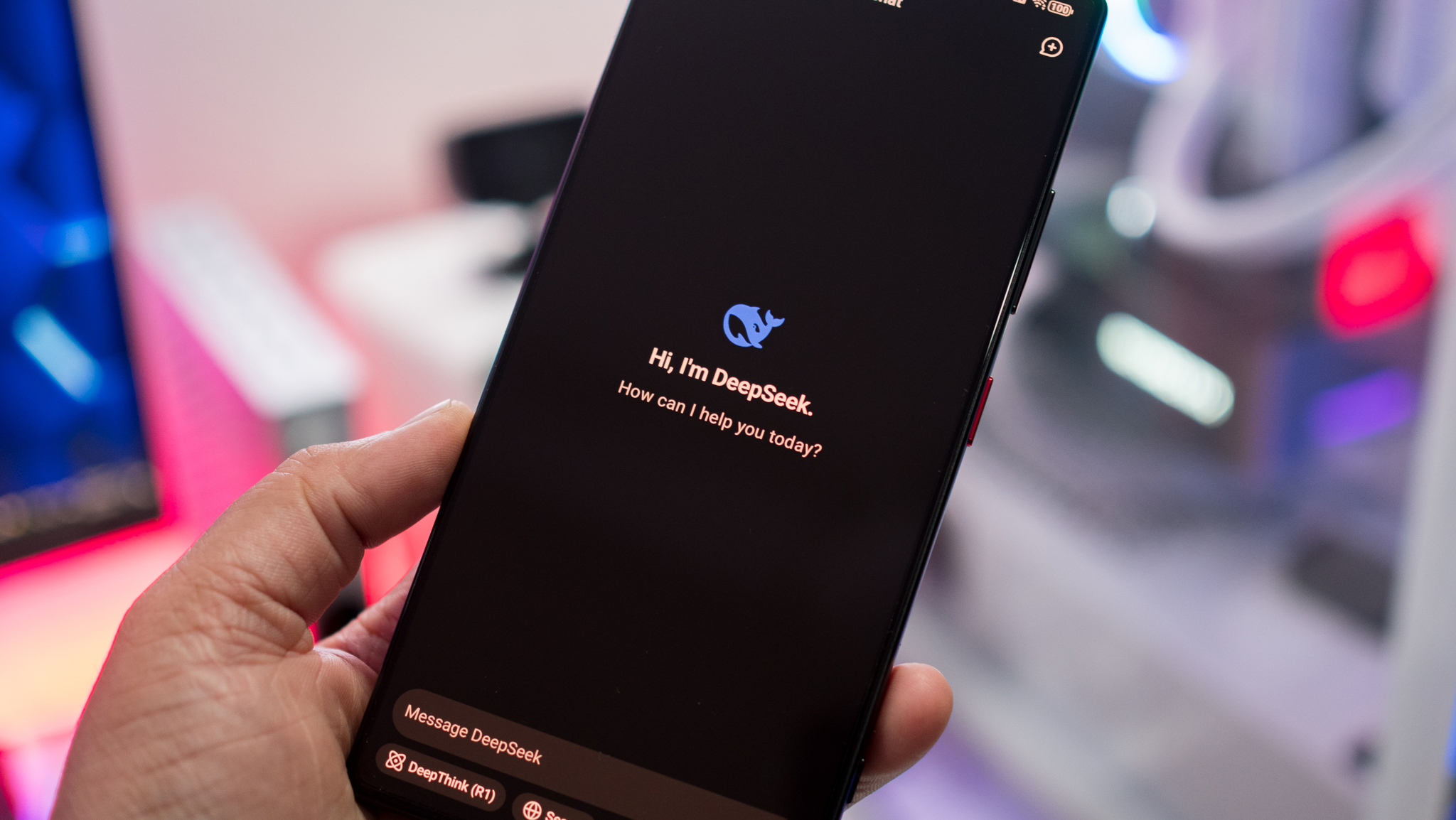
On the AI model front, there were bright spots from unlikely candidates, like DeepSeek. But it faded into obscurity just as quickly as it became popular.
Final verdict
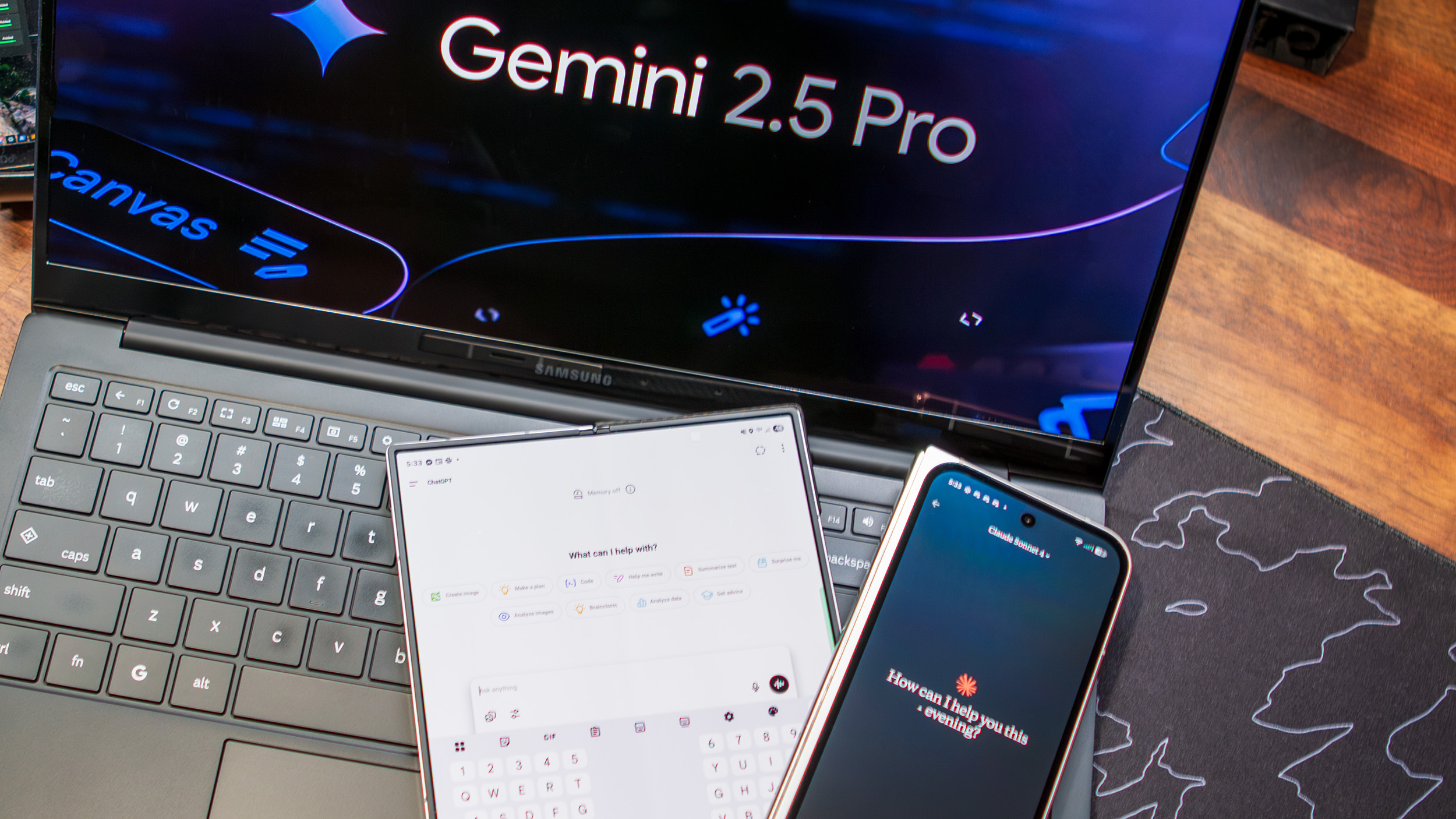
If it came down to a coin toss, I’m inclined to lower AI’s overall grade for 2025, regardless of how far the technology has come. That’s why I’m only giving AI a B grade for the year, even though over a billion people are using platforms like ChatGPT, Gemini, and Copilot. The reason? We were sold a bill of goods that simply hasn’t materialized.
The year 2025 is now coming to a close, and we haven’t seen anything close to artificial general intelligence (AGI). We haven’t cured cancer or eliminated poverty. All the while, AI is using more and more finite resources, leading to water drought concerns and global RAM shortages. Layoffs are mounting by the tens of thousands, and even OpenAI CEO Sam Altman now says he’s “worried about the rate of change that’s happening in the world right now.”
So, yes, AI models and interfaces are more powerful than ever in 2025. But let’s face it — few are truly excited by AI writing your emails or generating a bad TV commercial. We were sold a life-changing technology, and three years after ChatGPT debuted, it’s clear AI is still far from fitting the bill. With this context, an overall B grade is the absolute highest I can give AI for 2025.