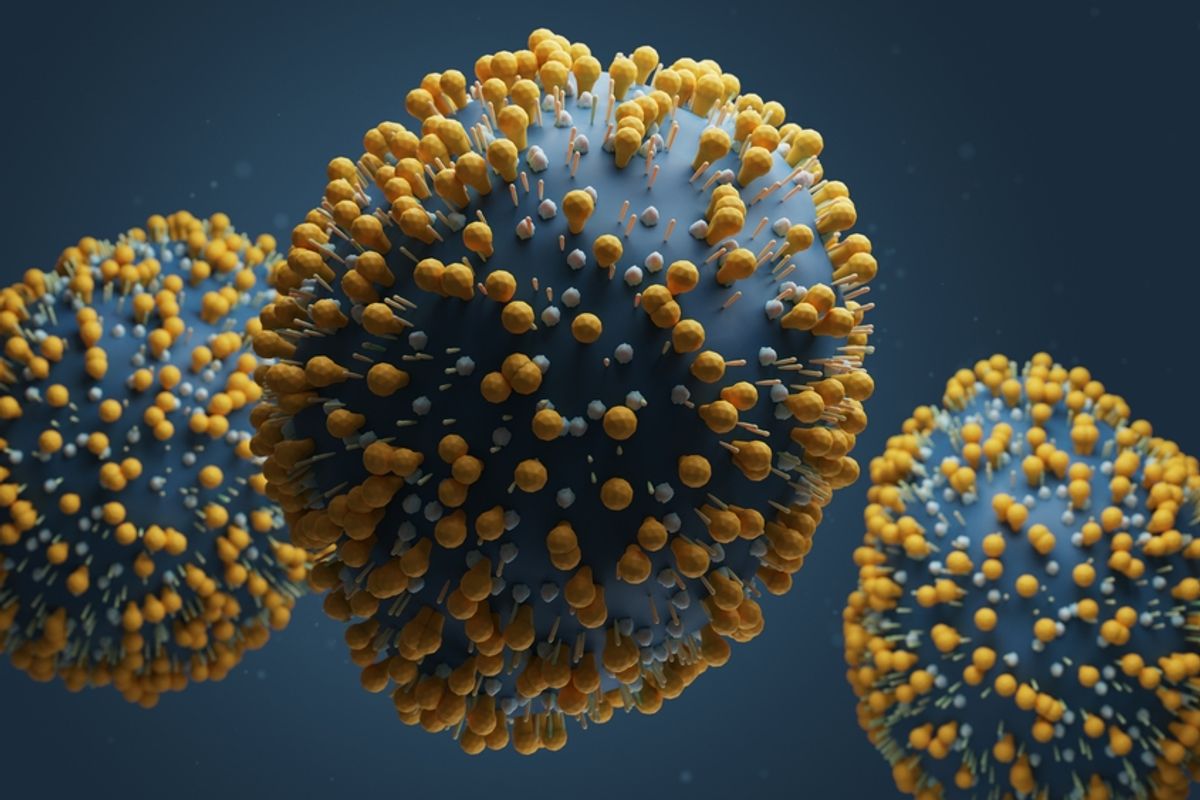
Most adults who get sick with RSV only end up with a mild cold for a few days, but the virus can be much more dangerous for infants. RSV infection is the leading cause of hospitalization in all infants, often leading to life-threatening conditions like pneumonia and bronchitis. To understand why babies are so vulnerable to RSV, scientists have had to take a closer look inside their noses.
In a new study published in the Journal of Infection, researchers have observed how RSV affects babies and adults differently with the help of “mini-noses” — tiny lab-grown models of nasal tissue that contain the same types of cells present in an actual nose. In infant nose models, cells have been shown to have much greater difficulty with an RSV infection; understanding the mechanisms underlying this cellular struggle could be key to improving RSV care for the youngest patients.
Read More: Why Do I Get Sick So Often, While Others Stay in Freakishly Good Health?
RSV Symptoms in Infants
RSV (respiratory syncytial virus) is a common viral infection for both adults and kids. In fact, nearly all children will be infected with RSV by the time they turn 2. Babies, though, are at the greatest risk of developing serious symptoms. According to the Centers for Disease Control and Prevention (CDC), two to three out of every 100 infants under 6 months are hospitalized with RSV every year.
Minor RSV symptoms in infants include irritability, fatigue, and slight breathing problems, which may all clear up on their own within a few days. In some instances, however, the infection worsens and spreads to the lower respiratory tract; one of the first signs at this stage is a barking or wheezing cough, according to the American Lung Association.
If this is followed by more severe symptoms such as nasal flaring, bluish discoloration of the lips or nails, or difficulty breathing, urgent care is needed for the infant.
Severe RSV complications in infants can be prevented with either a maternal vaccination during pregnancy or infant immunization with RSV monoclonal antibody injections, according to the CDC.
The Cells Inside a Mini-Nose
In the new study, researchers created the nose models (also known as organoids) after swabbing the nostrils of both infants and adults. The material from these swabs was then grown into 3D “mini-tissues,” which the researchers could examine to find multiple cell types, including ciliated cells with hair-like structures that sweep away mucus, basal cells that regenerate tissue, and goblet cells that produce mucus.
Comparing the infant and adult models, the researchers found that the infant model contained more mucus-producing cells. This would explain why, when infants get RSV, one of the main dangers is an excessive amount of mucus obstructing the nasal passages.
The study confirmed that RSV primarily targets ciliated cells, but it also showed that the virus infected additional cell types in infants.
“In infants, RSV didn’t stop at ciliated cells. It also infected basal cells and ionocytes, rare cells involved in regulating airway fluid. These infections were not seen in adults,” said co-corresponding author Pedro Piedra, a professor of molecular virology and microbiology at Baylor College of Medicine, in a statement. “This broader ‘tropism’ or range of target cells in infants may be associated with RSV, causing more severe disease in young children.”
Protecting Infants From RSV
In addition to the loss of ciliated cells, a suite of other cell changes impacted the infant nose models; an increase in goblet cells promotes mucus buildup, and a decrease in club cells, which help maintain airway health, leads to a higher risk of inflammation and tissue damage.
Infant cells also had a less coordinated response to infection compared to adult cells, giving RSV a chance to spread through the airways more effectively.
Now that researchers have the first detailed cell atlas of adult and infant noses, they say that pinpointing age-specific differences could help them create better treatments to fight RSV infections in infants.
This article is not offering medical advice and should be used for informational purposes only.
Read More: Nature Impacts Children’s Lung Function, Study Suggests
Article Sources
Our writers at Discovermagazine.com use peer-reviewed studies and high-quality sources for our articles, and our editors review for scientific accuracy and editorial standards. Review the sources used below for this article: