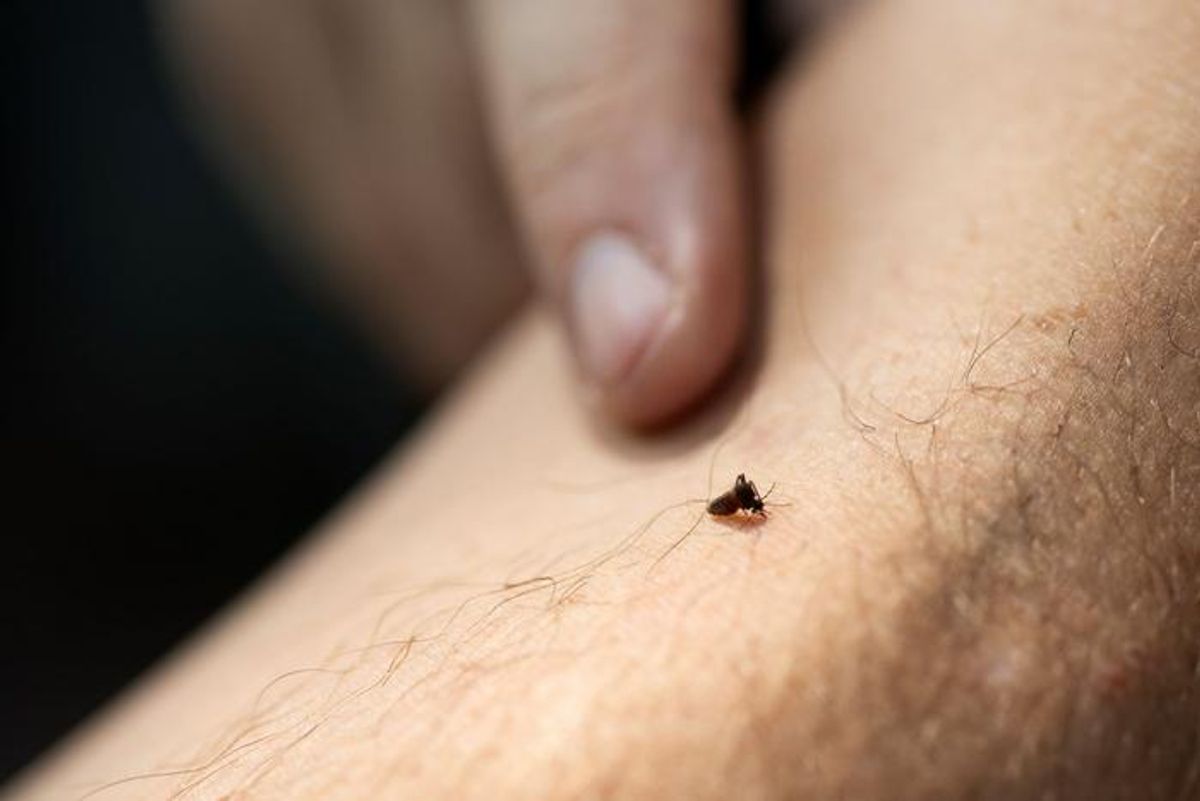
Jurassic Park may have exaggerated what mosquito DNA can reveal, but it got one thing right. Mosquitoes feed on an extraordinary range of animals — a habit that makes them unusually well positioned to sample the life around them.
A new study published in Scientific Reports suggests mosquitoes may be doing far more than spreading disease. By analyzing blood meals from mosquitoes collected at a protected site in central Florida, researchers identified DNA from 86 vertebrate species, showing how these insects can capture a remarkably complete snapshot of the animals living around them.
“Using mosquitoes, we captured vertebrates that ranged from the smallest frogs to the largest animals like deer and cows,” said Lawrence Reeves, Ph.D., a University of Florida entomologist and senior author of the new study, in a press release. “And animals with very diverse life histories: arboreal, migratory, resident, amphibious, and those that are native, invasive or endangered.”
Mosquitoes Sample Entire Animal Communities
The research took place at the DeLuca Preserve, a protected conservation area managed by the University of Florida about 80 miles south of Orlando. Over eight months, the team collected tens of thousands of mosquitoes and analyzed more than 2,000 blood meals for traces of DNA from mammals, birds, reptiles, and amphibians.
Trapping mosquitoes at the DeLuca Preserve with Lawrence Reeves.
(Image Credit: University of Florida)
Unlike environmental DNA collected from water, soil, or air, mosquito blood meals offer a tightly focused snapshot in both space and time. After feeding, most mosquitoes travel only a few hundred meters, and the DNA they carry degrades within a day or two. That means each blood meal reflects which animals were present nearby very recently, rather than weeks or months earlier. In effect, every blood-fed mosquito records who passed through an ecosystem, and where.
In this case, the mosquitoes’ diet consisted of a wide array of animals, including rattlesnakes, bald eagles, coyotes, otters, toads, alligators and even gopher tortoises who are protected by their shells. Of the large animals known to roam the preserve, the only one missing was the endangered Florida panther.
Why Mosquitoes Make Powerful Wildlife Surveyors
The study set out to explore whether mosquito-based DNA sampling could offer a practical complement to traditional wildlife surveys, which are often time-consuming, costly, and require specialized expertise. Previous work has shown that commonly used tools such as camera traps tend to favor larger, ground-dwelling animals, while overlooking many birds, reptiles, amphibians, and other hard-to-detect species.
Because mosquito-based sampling requires less equipment and can capture a wider cross-section of wildlife at once, the approach could help researchers monitor ecosystems more broadly and frequently — particularly in places where time, funding, or access are limited.
Read More: Mosquito-Borne Chikungunya Virus Cases Rise Due to Travelers and Climate Change
An Unlikely Conservation Ally
Mosquitoes are usually framed as pests or disease vectors, not ecological helpers. But the researchers say their findings highlight an overlooked role these insects already play.
“I am acutely aware of the disdain humans have for mosquitoes. It’s pretty warranted. Mosquitoes don’t do much to give the impression they’re an important element of ecosystems,” Reeves said. “But in their ecosystems, they play important roles, and we show here they can help monitor other animals to help conserve them or to inform how we manage ecosystems.”
The method could be especially useful for tracking elusive or endangered species — or for spotting invasive animals before they spread.
Read More: First Mosquitoes Found in Iceland, Likely Due to a Shifting Climate
Article Sources
Our writers at Discovermagazine.com use peer-reviewed studies and high-quality sources for our articles, and our editors review for scientific accuracy and editorial standards. Review the sources used below for this article: