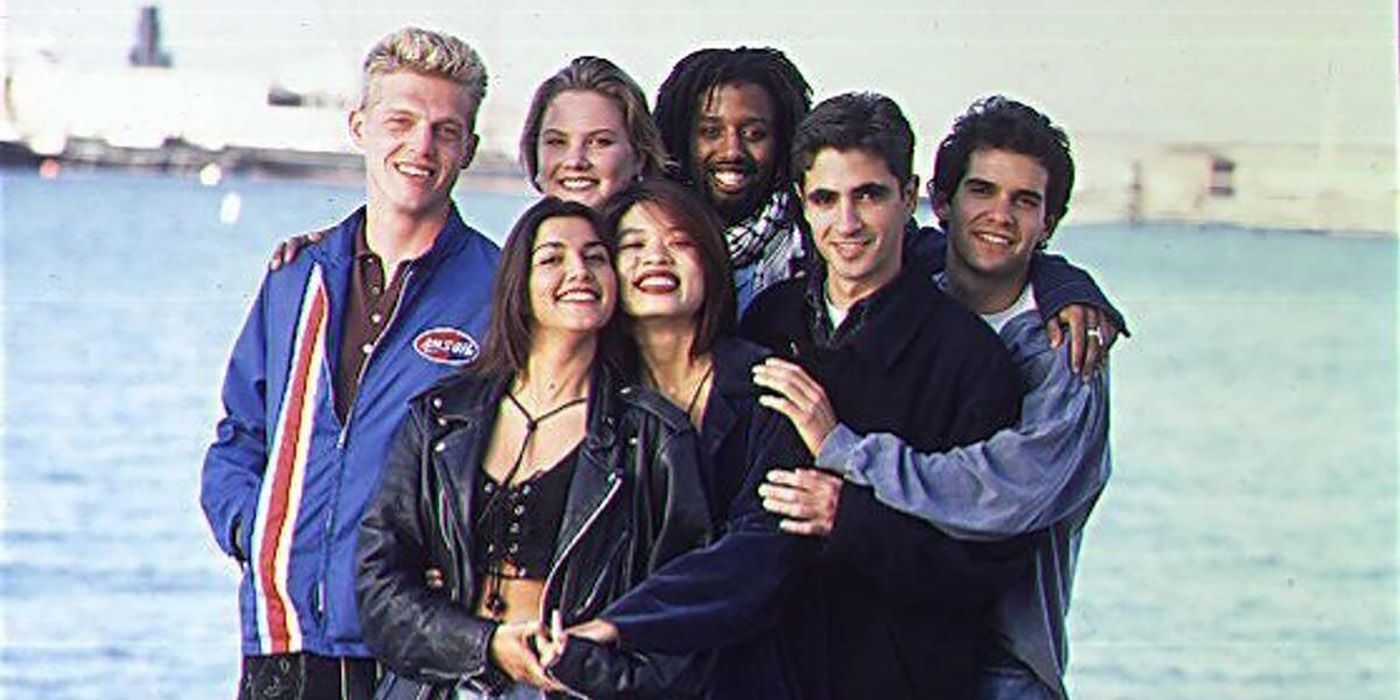
Some things in life are undeniably true: gravity exists, mustard stains, and The Real World: San Francisco is the best season of the series. Sure, some may prefer the one that started it all — The Real World: New York — or some may have a fondness for the romanticism of The Real World: Seattle. But San Francisco is still, undeniably, the best. And if there are any doubts about this, all one needs to do is rewatch the series and fall in love with the most substantive season in The Real World world.
Running for 20 episodes from June 30, 1994, to November 10 of the same year, The Real World: San Francisco has proven to be the most meaningful season of the series. While each season tries to be prodding in its own way — New York featured the series’ first openly LGBTQ+ cast member, Norman Korpi; Los Angeles‘s Tami Roman made history when she became the first person to go through an abortion on television — San Francisco made television history by casting an openly-gay man with AIDS, Pedro Zamora. By virtue of having Pedro on the show, the United States was able to have someone with AIDS in their homes on Thursday nights. Pedro became a face to a disease that many were still terrified of and confused by.
Who’s Who on ‘The Real World: San Francisco’
San Francisco is a quintessential reminder of what the show used to be: a social experiment of what it’d be like to put people from different walks of life under one roof. The cast, with one exception, were far more mature than what would be seen in recent seasons of The Real World. Cast member Pam Ling is a medical student during her time on the show and graduated from Harvard. She’s a perfectionist who uses her medical skills to serve San Francisco’s homeless population. Rachel Campos was a recent graduate from Arizona State University and despite her free spirit, angsty persona, is a Republican and devout Catholic. Though considered one of the more wild cast members from her season, her behavior wouldn’t be deemed as such by later seasons’ standards. Cory Murphy is the youngest cast member, being only 20. Her time in the house shows the most self-discovery and transformation out of anyone in the house. Mohammed Bilal was the lead singer of a band called Midnight Voices. Out of all the cast members, he has the most commitments outside the house, which keeps him from being as engaged with the others. He’s also a Muslim. Judd Winick is a cartoonist who hoped to find more opportunities for his art while in San Francisco. Though only being 24 during the season, he seemed more mature, often being the one to handle difficult circumstances that arose in the house. Puck Rainey was the wildcard and dynamite of the house. His personality eventually grated everyone, leading to him being voted out of the house. Though he was asked to leave, he’s still featured in later episodes, often tormenting his former roommates who spent time with him by trying to cause them to feel guilt for having asked him to leave. Jo Rhodes is chosen as Puck’s replacement. Jo is earthy and vegan, enjoys rock climbing and physical activity, and is also divorced after a short-lived marriage which resulted in her taking out a restraining order against her ex-husband. And, of course, Pedro Zamora was a Cuban immigrant and openly gay man who had AIDS and made it his mission to educate others about the disease.
In the beginning of the season, when Pedro is telling his roommates about his AIDS education activism and his AIDS positive status, Rachel is visibly uncomfortable. She admits that she is uneasy sharing a living space with someone who has the disease, particularly sharing a bathroom with him. She proposes splitting bathrooms along gender in order not to share a bathroom with Puck, who has the hygiene of a rat that lives in the New York subway tunnels. Despite her claiming her reason for doing this is to avoid Puck’s uncleanliness, it can help but be wondered if her true motive was to not share a bathroom with Pedro. Rachel, however, was an avatar for the discomfort many people had about AIDS during that time. Despite her reaction being the minority in the house, much of the country was still unsettled by the reality of AIDS. Eventually, Rachel is able to become more relaxed about living with Pedro, which leads to her bringing him home to meet her conservative Cuban family.

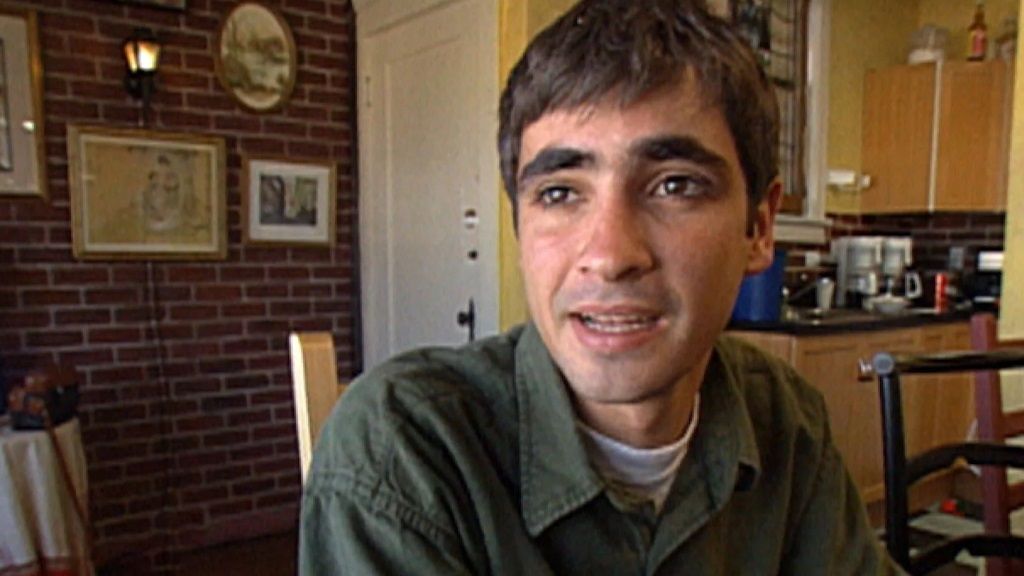
In many ways, Pedro was the beating heart of the season. Despite AIDS being remembered as an ’80s events, there was still much fear and confusion surrounding the disease in the ’90s. The Real World made its boldest move by casting Pedro in a time when AIDS was very much a nerveracking issue. In the season, we see Pedro go to a school to educate students about AIDS prevention and awareness. This was even more remarkable since he gave a presentation at the school where Rachel’s conservative parents work. And audiences were faced with his harsh reality when Pedro encounters health scares throughout the season. He reminds viewers that AIDS isn’t just some abstract condition, but a real illness. In the season, there are times that he worries that he may have pneumonia, something that can be life-threatening for someone living with AIDS. But we also get to see Pedro’s joys. While in San Francisco, he reconnects to Sean Sasser, an HIV+ gay man he met while at a march in Washington, DC. Their relationship quickly blooms from dating to culminating in a commitment ceremony. Unfortunately, gay marriage wouldn’t be legal till decades later, but MTV showed a queer love story long before it’s become more acceptable to do so. Pedro also developed meaningful relationships with some of his roommates, his core friends being Judd, Pam, and Cory.
What the Puck?

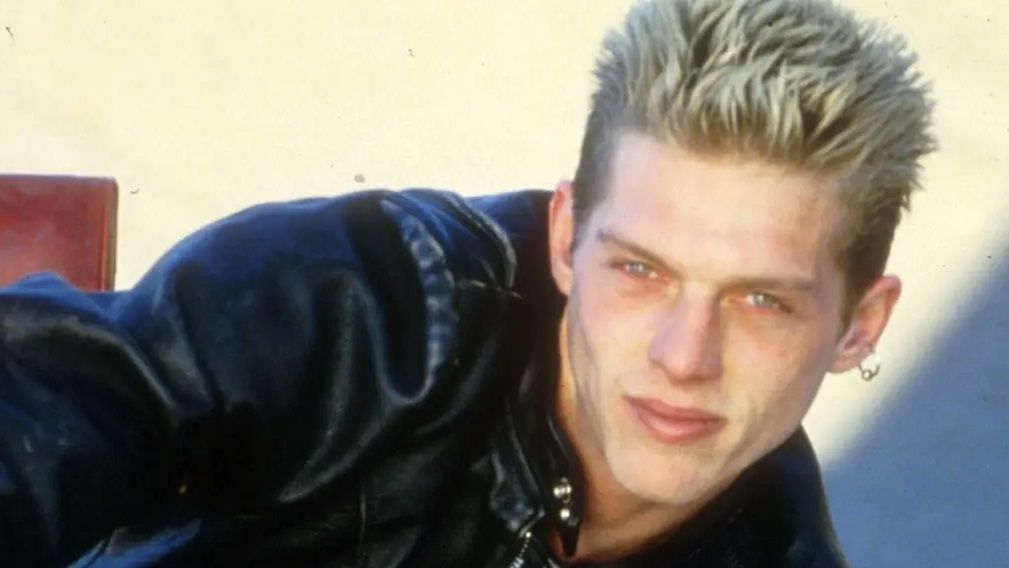
Next to Pedro, Puck dominated much of the season’s storylines, even when he was no longer in the house. There had never been someone like Puck on The Real World, and probably hasn’t been anyone like him on the show since. Although there was arguing and even an eviction in previous seasons, Puck’s presence was something that no one could adequately prepare for. Quick to make himself the victim, any grievance a house member would convey to him, he was quick to turn into a personal attack against himself, claiming they just didn’t understand him and didn’t wish to. Almost any interaction with him resulted in frustration. His roommates, no longer being able to tolerate him being in the house, voted to have him leave. In later seasons, production could have vetoed any vote to exile someone like Puck; but in ’94, someone like him was dealt with in a mature way.
While considered the villain of his season, Puck wasn’t exactly a prototype for what was to come. Yes, he was obnoxious, inconsiderate, and viewed himself as the victim when he was the one agitating others. But watching the season, there’s no doubt that Puck was being his authentic self, not performing for the camera for the sake of screen time. Many of the villains to follow, however, are far more transparent, knowing what they have to do to get attention from the camera. Many of their conflicts rise from a need for attention; Puck was being Puck.
San Francisco also focused on the growth of each person in the house. In some way, everyone left their time on the show having changed in some way. Cory felt she was no longer that same person she was when she entered the house; Rachel learned that she doesn’t want to pursue men like Puck, who she was initially attracted to; Mohammed became more focused on his career, at the expense of fully being able to fully engage with his roommates. Everyone left having been changed or challenged. More recent seasons have tried to end on a note suggesting that cast members have left changed in some way, too. But when so many of the later seasons’ arcs revolve around brawls and drunken bickering, it’s hard to impress upon viewers that their time on The Real World has been some grand eye-opening experience for them.
Perhaps one of the most remarkable things to emerge from the season is that Judd and Pam would eventually marry seven years later. Judd unsuccessfully trying to find a significant other was a large part of his story arc. But who would have guessed that the housemate he would often confide in would become a housemate for life? During the season, Pam was in an eight-year relationship with a guy she went to high school with. Judd, despite his latent attraction to Pam, organized a surprise visit from her boyfriend for her birthday. While many couples have come from the series, Pam and Judd have been the longest lasting.
What Was and What Is


The original Real World template would only last for so long. Perhaps the season that indicated the greatest pivot for the series was Las Vegas. Its decision to be in Sin City and cast attractive roommates let viewers know that the series was headed in a different direction. What started as an experiment to put a diverse group of people into one house would eventually morph into a drunken, argumentative predecessor for shows like The Jersey Shore.
The Real World would head back to San Francisco 20 years later for Real World: Ex-Plosion. The season centered on introducing cast members’ exes as roommates during the season. Drama ensued. And it was manufactured drama. During Ex-Plosion, the “original” roommates of the season — they wanted to make a distinction between those who were on the season from the beginning and their exes who were brought on mid-way — took their picture outside the house that San Francisco was filmed in. Despite them trying to harken back to decades prior, they were, by this point, two completely different shows. The spirit of San Francisco and the earlier seasons was no longer present for the new seasons. The Ex-Plosion cast members posing outside the house on Lombard Street was a symbol for what the show was and what it became.
San Francisco‘s last episode aired November 10, 1994. Pedro died the next day in Miami. He was only 22. Pam and Judd went to be with him before he died. In a way, his death was the catalyst that truly brought their lives together. They now help oversee the Pedro Zamora Young Leaders Scholarship, an organization that gives students endowments to further AIDS education. His death was a painful contrast to his castmates’ hopes that he’d beat the odds and live a long life. But the work and legacy that Pedro left lives on. San Francisco is truly special, not just for the Real World, or MTV, but for anyone who was watched Pedro and whose hearts were expanded and minds opened by having watched him. His life, legacy, and mission are even bigger than the show that catapulted him to fame. Through Pedro, we truly saw the real world.