The Big Picture
- Stan Lee’s cameo in Fantastic Four: Rise of the Silver Surfer is his most comic accurate role, as it directly pays homage to a specific moment in the comics.
- The movie’s opening scene, featuring a postponed wedding due to the Silver Surfer’s arrival, is a direct reference to The Fantastic Four comics, where supervillains interrupt the ceremony.
- Unlike his other film cameos, Stan Lee portrays himself in Fantastic Four: Rise of the Silver Surfer, mirroring his appearances in the comics and adding a touch of lighthearted, self-aware humor.
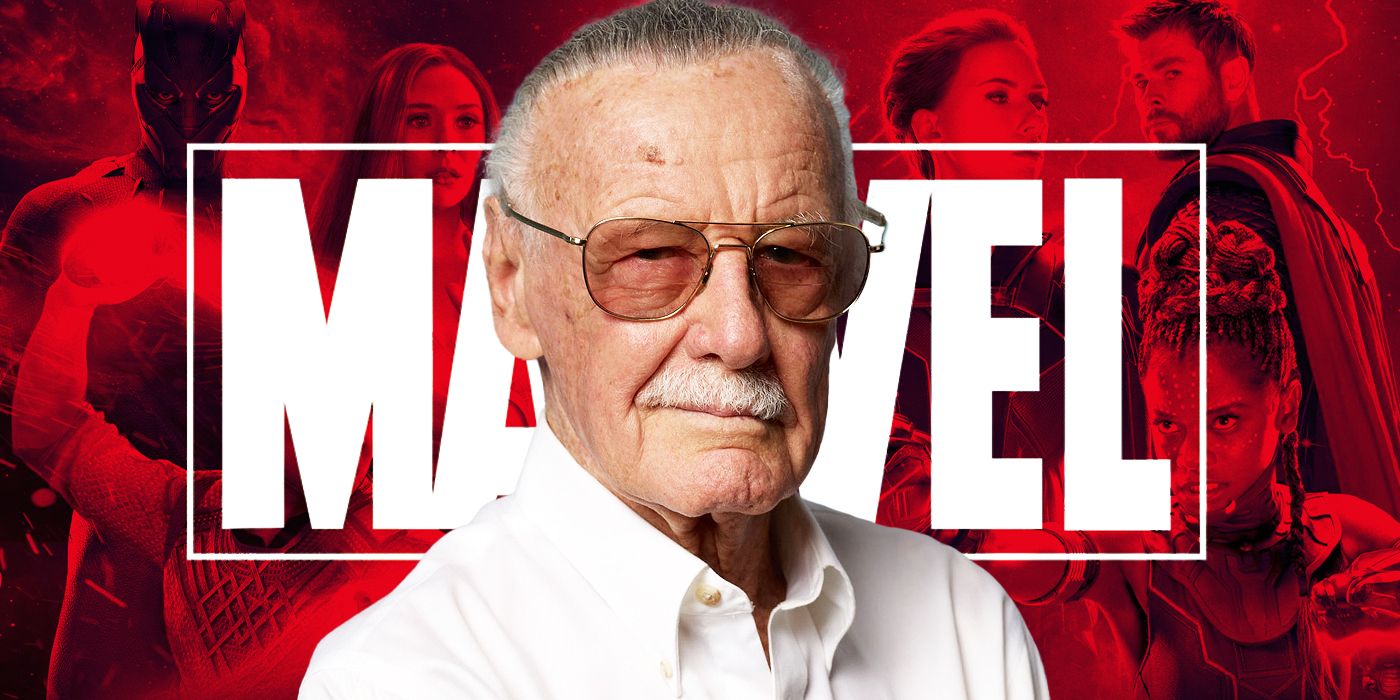
During his vast career, Marvel comic book legend Stan Lee made cameo appearances in just about every movie adapted from his work on the page. From playing a juror in 1989’s made-for-TV The Trial of The Incredible Hulk to being an animated salesman version of himself in 2018’s Spider-Man: Into the Spider-Verse, Stan Lee wore a lot of hats on camera. Many times these cameos didn’t involve delivering any lines but were brief, blink-and-you’ll-miss-it instances of the white-mustached creator winkingly coming onto the scene to the audience’s excitement. However, there is at least one Stan Lee cameo that is more than just a fan-service gag. While it is still humorous, it actually pays homage to a very specific moment in the comics and is the only Stan Lee cameo lifted directly from the panels. That performance is Stan Lee’s cameo in Fantastic Four: Rise of the Silver Surfer. Here’s exactly what makes it his most comics accurate cameo.
‘Fantastic Four: Rise of the Silver Surfer’ Sees Galactus Prey on Earth
2007’s Fantastic Four: Rise of the Silver Surfer is far from the greatest Marvel movie ever made. A sequel to 2005’s Fantastic Four, the film sees the titular quartet of superheroes come face-to-face with the eponymous Silver Surfer (Doug Jones). The metallic alien arrives on Earth to scout the planet as prey for Galactus, the Devourer of Worlds. Unfortunately, the film takes that high-stakes premise and oversaturates it with camp, not to mention the fact that it portrays Galactus (one of the comic’s most formidable villains) as nothing more than a dark, inanimate, stormy space cloud.
The film misses on a few cylinders, but then again, Fantastic Four was always a bit of a cheesy concept. Debuting in 1961’s The Fantastic Four #1 comic issue, the family of superheroes was Marvel’s response to DC’s Justice League. Working with artist Jack Kirby, Stan Lee wrote the superhero team as more grounded than most comic book characters. He wanted them to deal with everyday problems in a very real New York City. Given that the comic’s “real” New York still ended up having Mole Men, monsters, and endless villains of the week, though, The Fantastic Four endured as an endearing, yet corny Marvel staple, kicking off Stan Lee’s career as well as the Silver Age of comic books.
Why Is Stan Lee’s ‘Fantastic Four: Rise of the Silver Surfer’ Cameo His Most Comics-Accurate Role?

Hence, many of the campy elements in Fantastic Four: Rise of the Silver Surfer are comic-accurate, even if they don’t translate immaculately to screen or have the same appeal 46 years after the comic’s debut. The movie’s opening is perhaps the most acute example of the film borrowing from its source material. Following up on the end of Fantastic Four, where Reed Richards/Mr. Fantastic (Ioan Gruffudd) proposes to Sue Storm/The Invisible Woman (Jessica Alba), Rise of the Silver Surfer begins with the pair planning their wedding— an event straight out of the comics.
Back in 1965, comic book readers eagerly anticipated the nuptials between Mr. Fantastic and The Invisible Woman, and the event finally arrived on July 1 in Fantastic Four Annual #3. In the issue, the wedding is a who’s-who of Marvel heroes, with Captain America, Thor, Iron Man, Spider-Man, and more attending. However, supervillains keep on interrupting the ceremony, and the heroes must fight them off. Similarly, in Rise of the Silver Surfer, the opening wedding is abruptly postponed by the Surfer’s arrival in Manhattan.
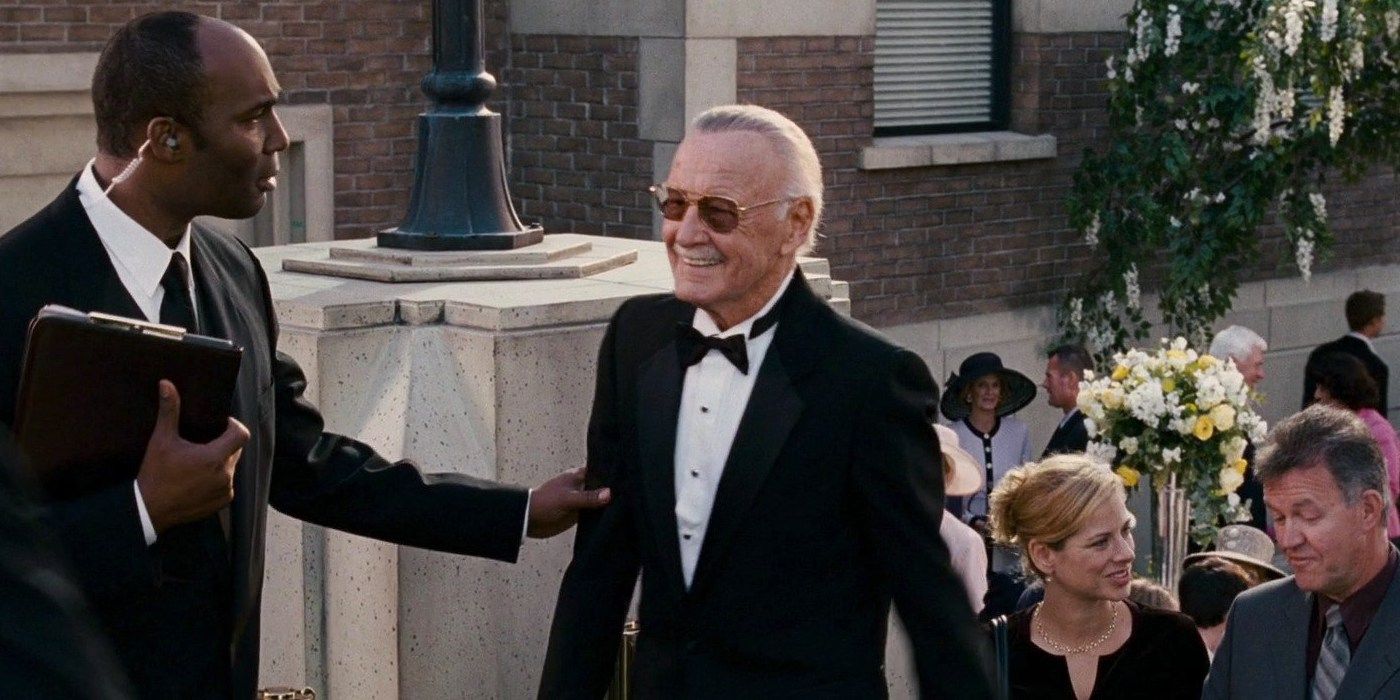
The moment in the sequence most indexically related to the comic comes when Stan Lee makes his cameo. Arriving at the wedding, he walks up to the usher, who asks for his invitation. Stan says that he should be on the list. When the usher asks for his name, Lee candidly introduces himself as Stan Lee. The usher, however, doesn’t believe him to be the comic book legend and tells the baffled Stan to get lost.
This harkens back to the very last page of Fantastic Four Annual #3. After all the villains are defeated and Reed and Susan can finally tie the knot, two men in top hats are shown outside the Baxter Building, trying to get into the ceremony with no luck. In the final panel, as the two men begrudgingly walk away towards the skyline, they refer to each other as Jack and Stan, commenting on how absurd it is that they were denied entry and how they will make the characters pay in the next issue. Thus, the story becomes meta in its final moments, as the two men are clearly meant to be Lee and Kirby.
How Were Stan Lee’s Comic and Movie Appearances Different?

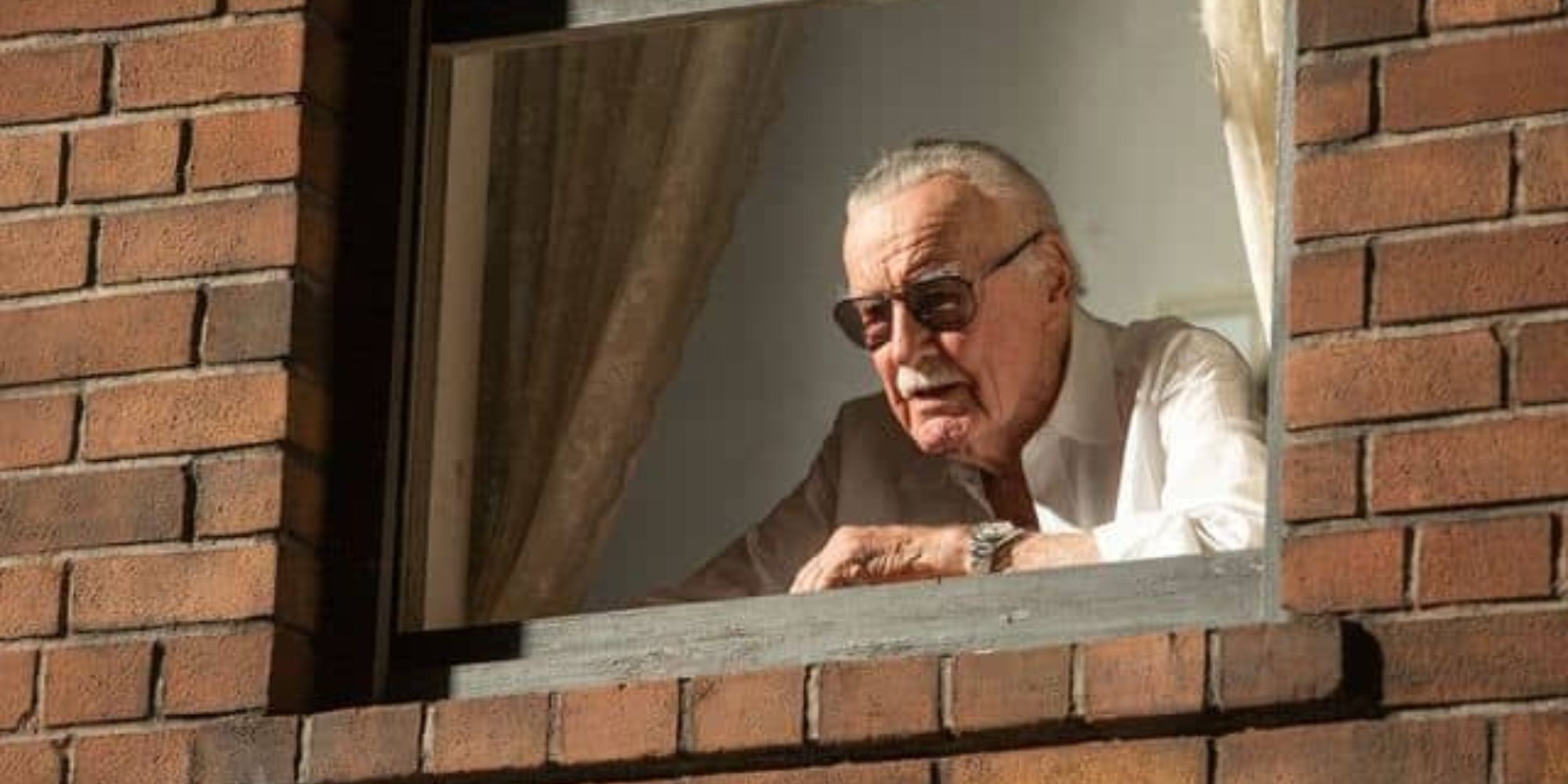
There are a couple of obvious differences between the Stan Lee cameo in the comic and that in the film. Principally, Jack Kirby does not accompany the writer in the movie, as he passed away in 1994 and never made any appearances in his works’ adaptations. Likewise, the comic inserts the cameo at the end of a successful wedding, whereas the film places it at the beginning of an unsuccessful one. The former is a cherry on top. The latter is a surprise joke and a keen reference for the well-read viewer.
Despite their differences, though, this is a rare occasion where Stan’s cameo was comics-inspired rather than an original idea from the filmmakers. Even in instances where Stan’s film cameo had more substance — such as when he drinks a bottle of contaminated soda in The Incredible Hulk to set off the plot — he usually still played an innocuous, nameless background character. If it weren’t for the accompanying quips, he’d probably go unnoticed as just another extra — except maybe in Iron Man and Iron Man 2, where he plays Hugh Hefner and Larry King, respectively.
In the comics, however, Stan inserted himself as himself, often with Kirby or someone else from the Marvel bullpen. As seen in Fantastic Four Annual #3, his appearances would end stories with a bit of lighthearted, self-aware humor, providing readers a peek into the writer’s room while also encouraging them to read the upcoming issues. In the movies, Stan rarely portrayed himself so openly. On television, he’d occasionally go meta, like in the 1994 Spider-Man cartoon or the 2012 Ultimate Spider-Man series. He also playfully mocked his copious cameos as his animated self in 2018’s Teen Titans Go! To The Movies, and made an appearance outside a superhero universe in Kevin Smith‘s Mallrats.
Nevertheless, Fantastic Four: Rise of the Silver Surfer is the sole time Stan Lee played himself in a live-action, theatrically released adaptation of his work — and the result is a dear commendation of one of his wittiest comic book moments. Although Rise of the Silver Surfer may not be the most rewatchable Marvel movie and it parts with its comic book predecessor in a few notable ways, it does nail the Stan Lee cameo, making clever, deferential, and distinguished use of its source material’s beloved author.