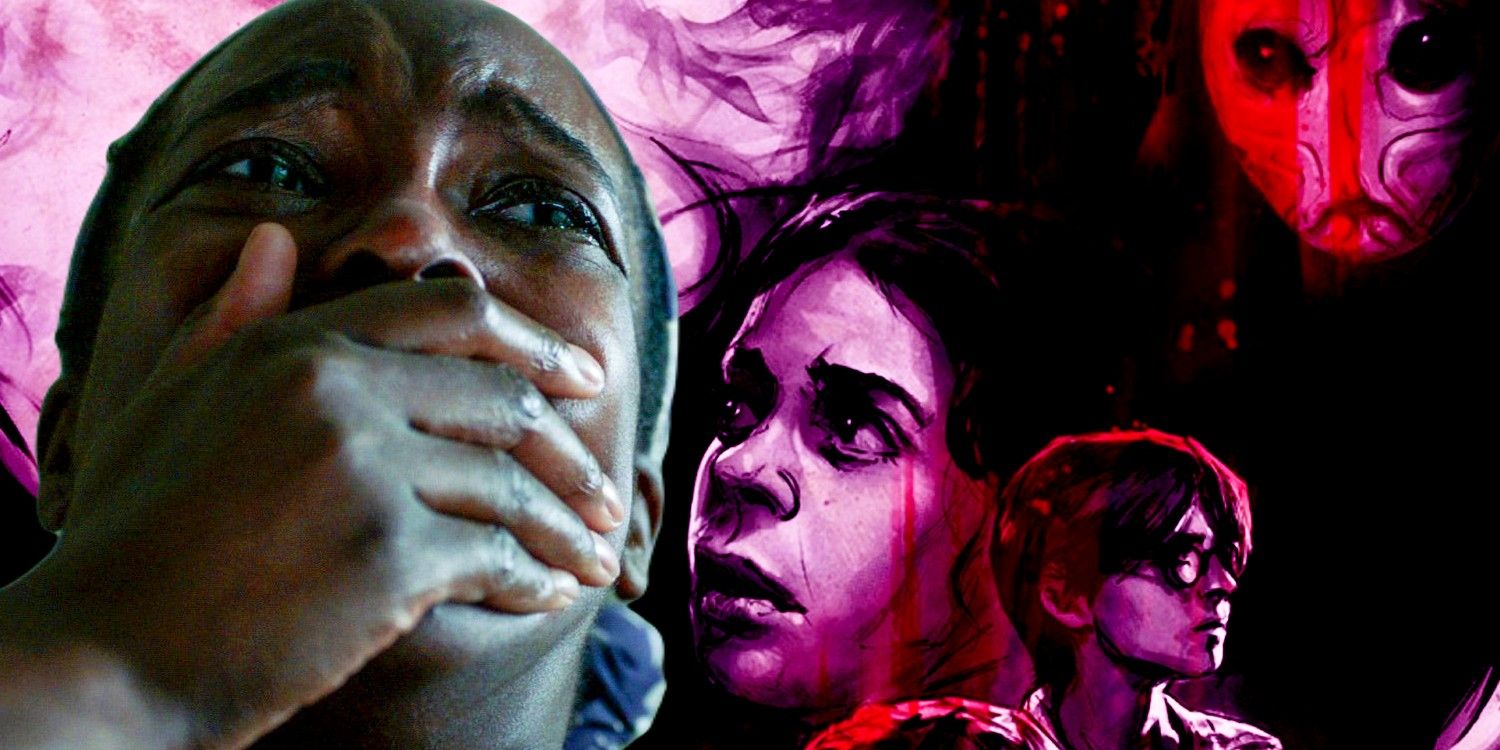
Summary
- African folklore serves as a rich source of inspiration for horror movies, addressing contemporary concerns through myth and history.
- Horror movies based on African mythology are gaining recognition as Africa becomes more prominent in modern cinema.
- These movies intelligently integrate racial tension, themes of apartheid, and cultural heritage, creating thought-provoking narratives.
Africa is a continent rich in folklore and mythology, which has proven a fertile source of inspiration for many horror movies. The genre has routinely drawn from folklore for centuries, depicting narratives that address contemporary concerns through the lens of myths and history. Many folk tales are thought to serve as warnings for early society, making them perfect stories for modern horror movie adaptations.
The folk horror film genre has adapted many customs and stories for terrifying purposes. Since the genre’s popularization, many British examples have become well-known, and a number of horror movies based on Eastern European folklore have been produced, while examples of horror movies based on American folklore have been identified in hindsight. As Africa is becoming more frequently recognized as a key figure in modern cinema, so have horror movies based on African mythology.
10 The Soul Collector (2019)
Based On Southern African Mythology
The Soul Collector (aka 8: A South African Horror Story, or simply 8) is a South African supernatural horror movie by Johannes Ferdinand Van Zyl and Harold Holscher. It stars Garth Breyetenbach as William Ziel, a man who inherits a farm from his father. Soon after, one of his father’s former employers appears, bringing with him a demonic force. The Soul Collector adapts several aspects of Southern African mythology, including lost children, and sinister creatures borne in shadow, smoke, and fire. The Soul Collector very cleverly interweaves racial tension and themes of apartheid into the folkloric narrative, exploring the ramifications of racial discrimination through mythology.
9 Kati Kati (2016)
Based On Kenyan Myths

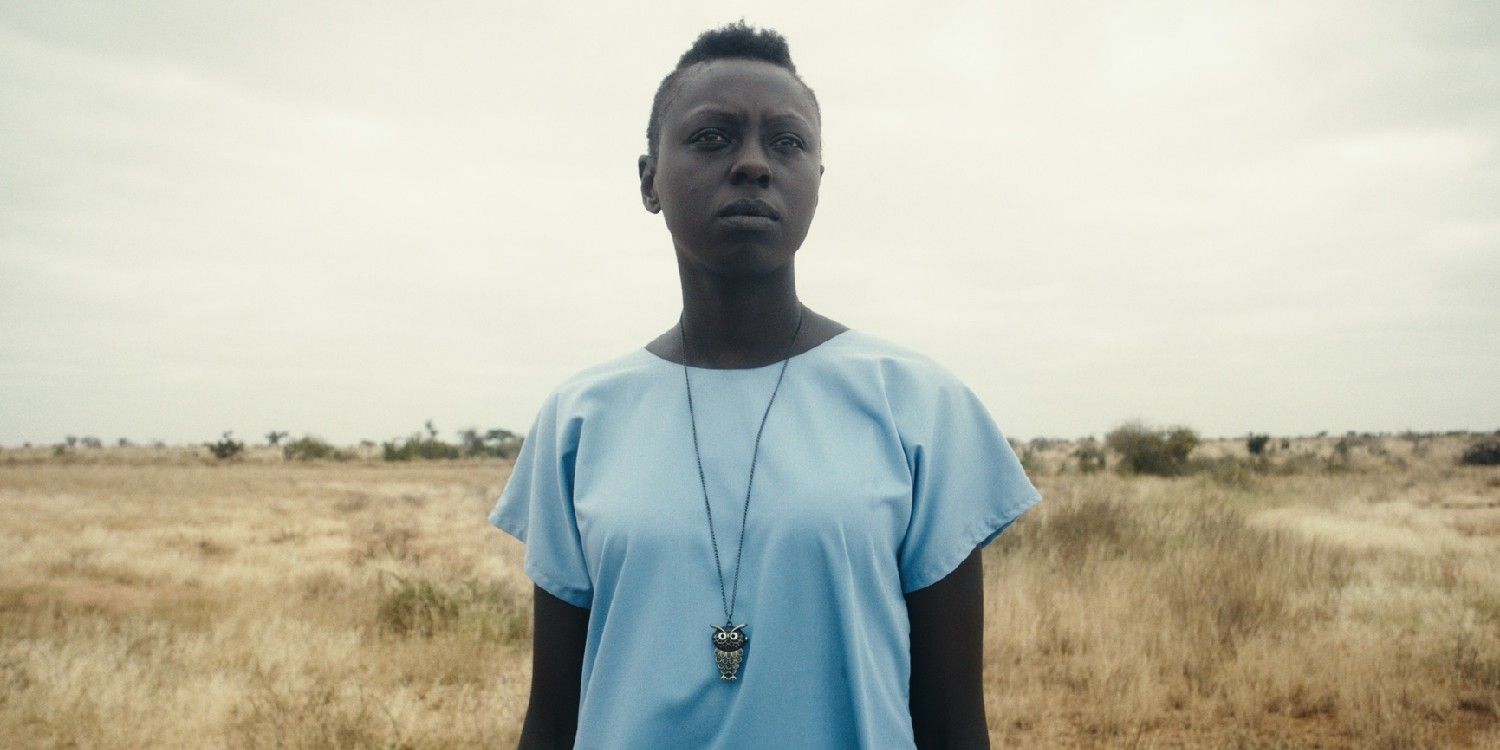
Kati Kati is a Kenyan drama horror movie about a young woman named Keleche (Nyokabi Gethaiga). She is introduced with no memory of her life but is soon informed by a ghostly apparition that she has died. The spirit subsequently guides her to the afterlife, from a remote lodge in the Kenyan wilderness. Kati Kati received wide acclaim and was even Kenya’s entry for Best Foreign Language Film at the Academy Awards, though it wasn’t nominated. The central performances were particularly praised, as was the depiction of Kenyan myths surrounding death and the afterlife.
8 Juju Stories (2021)
Based On Nigerian Folklore
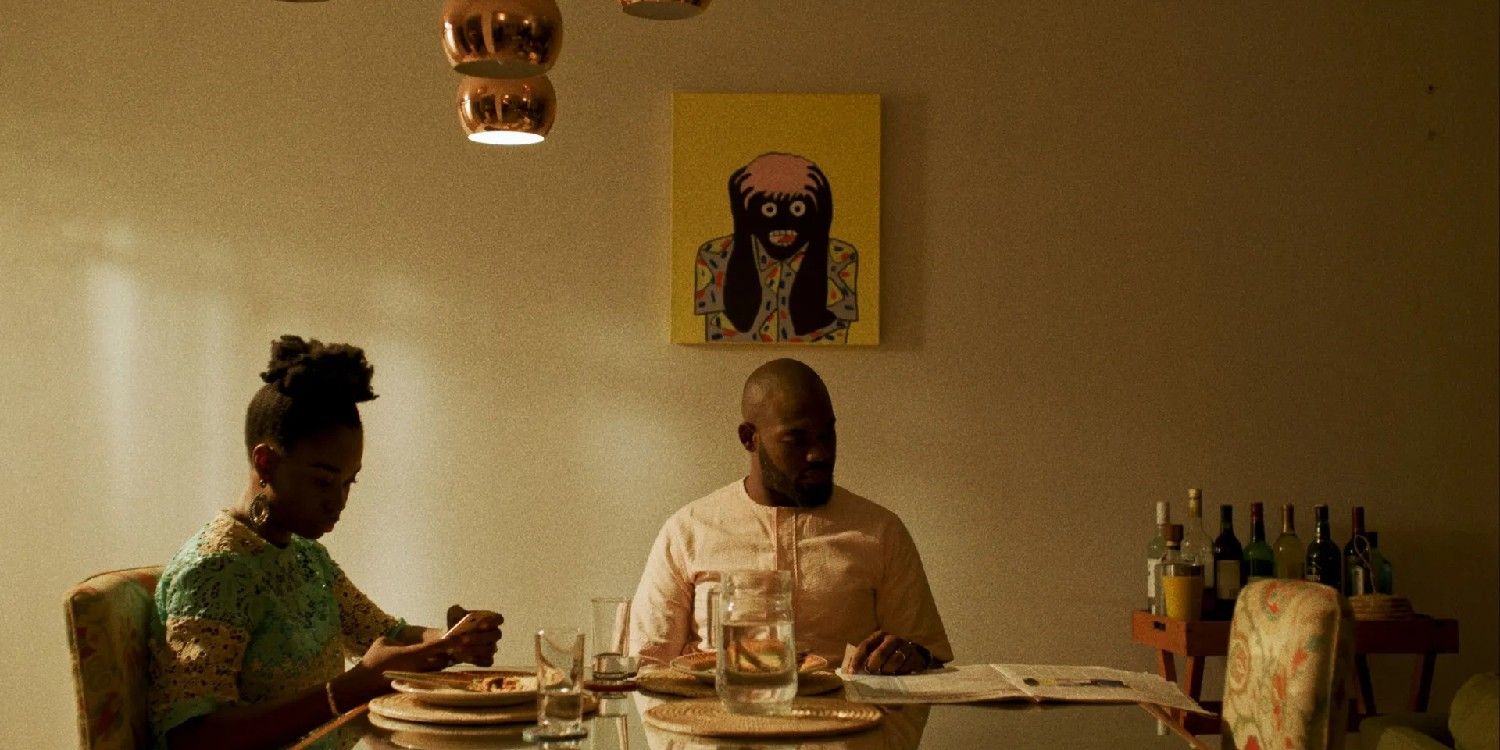
Juju Stories is a three-part anthology movie from Nigeria. Each story is an exploration of Nigerian folklore and legend, adapted from traditional stories about juju, a magical and spiritual practice observed throughout West Africa. Juju Stories places each narrative in contemporary Lagos, bringing the folklore of Nigeria into a modern setting. Juju Stories was extremely well received and won the Swiss Critics Boccalino Award for Best Film after its debut at the Locarno Film Festival.
7 Nevanji (2021)
Based On Zimbabwean Folklore
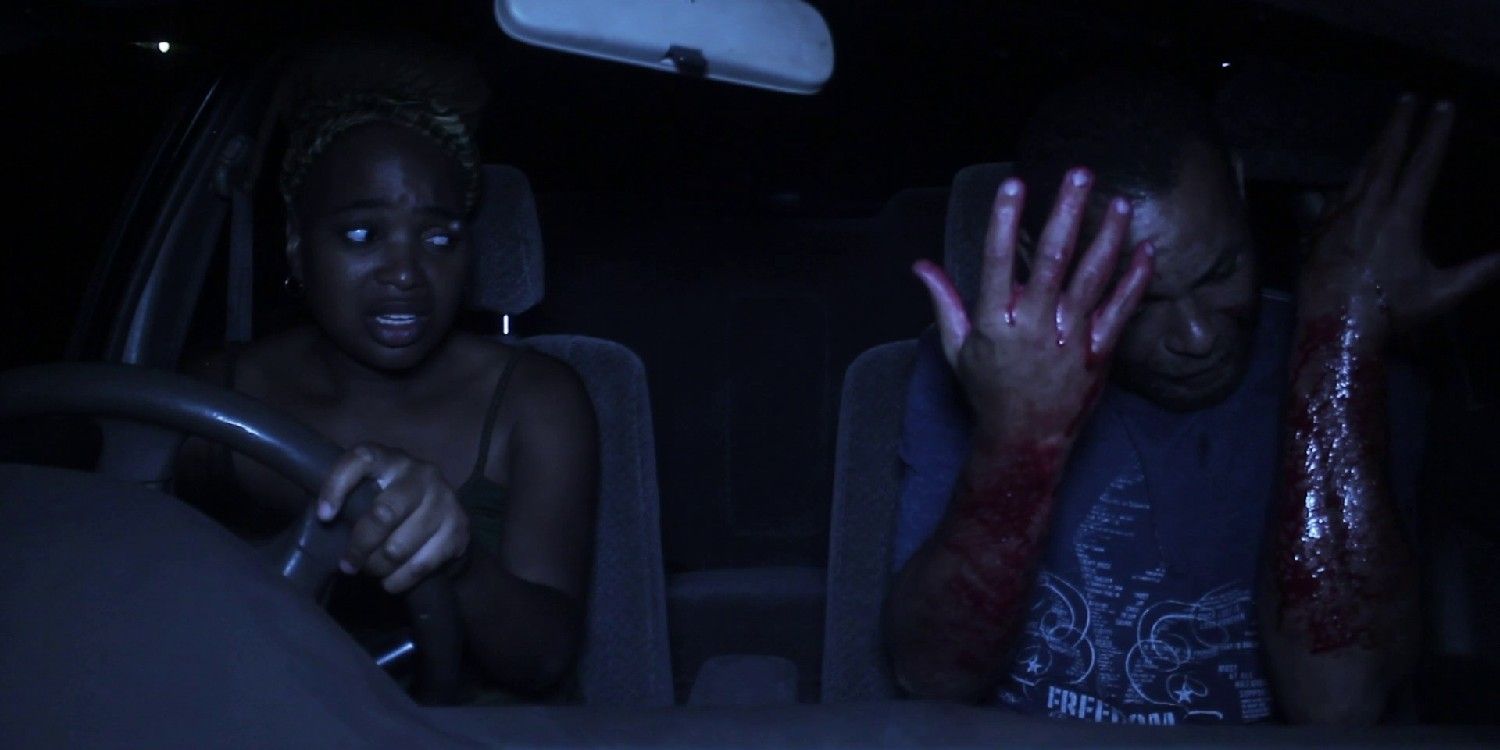
Nevanji depicts a family’s desperate attempts to cure their terminally ill son. When no cure is proffered by modern medicine, the family consults a witch doctor who determines the cause to be the spirits of the family’s ancestors. Nevanji is purported to be Zimbabwe’s first widely-released horror movie and is a fantastic evolution of folk horror themes. The suggestion of previously held beliefs returning to “haunt” people is a common trope in folk horror. It proposes that humanity has drifted away from its pagan roots too soon, and the previously held beliefs are not finished with society. Nevanji explores these same themes regarding Zimbabwe’s cultural heritage.
6 His House (2020)
Based On Dinka Folklore From South Sudan
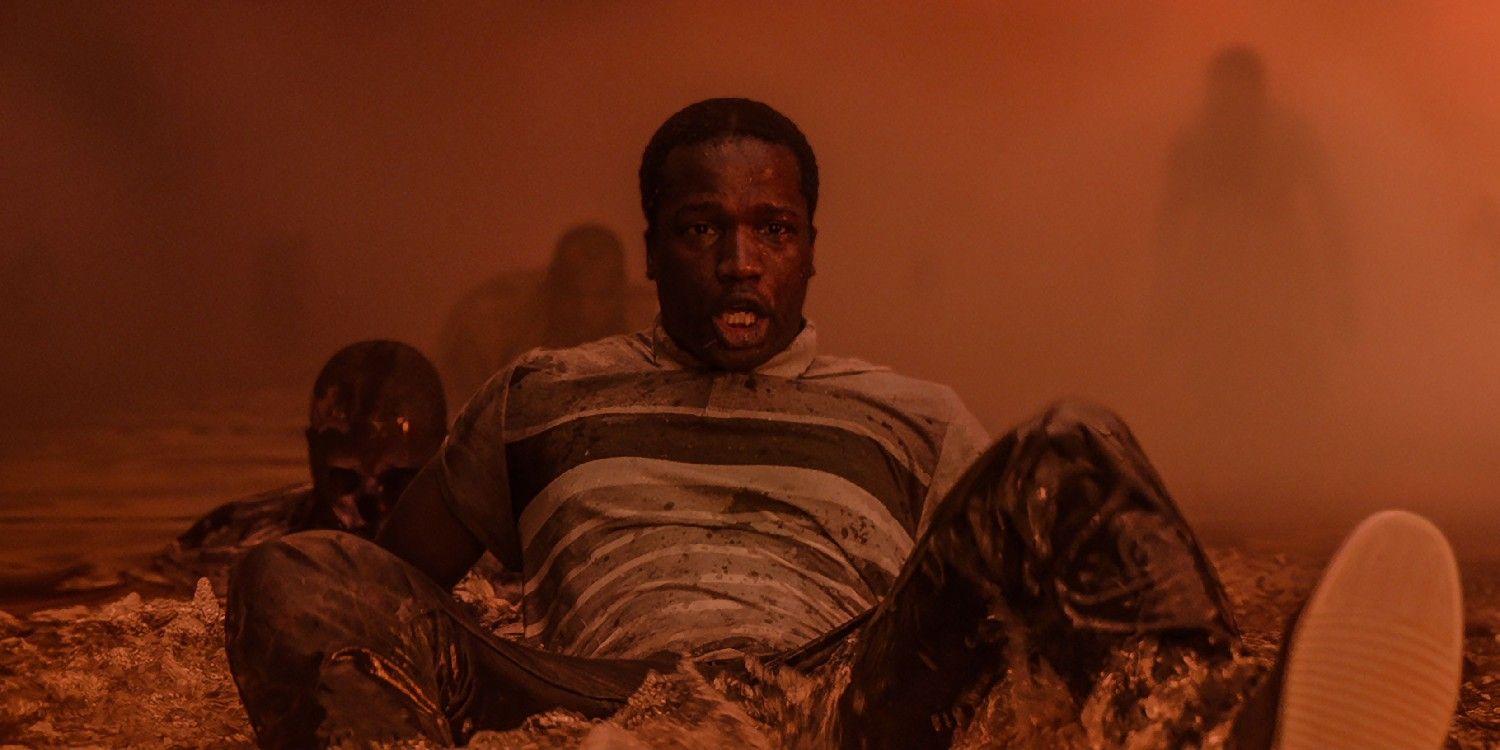
His House received widespread acclaim upon its release on Netflix in 2020. It depicts a refugee couple from South Sudan settling in the United Kingdom, only to discover an evil presence in their new home. This evil force depicted in His House is known as an apath, or “night witch,” a figure from Dinka folklore in South Sudan. His House uses the apath as a metaphor for the couple’s cultural grief and isolation as they struggle to ingratiate themselves into British culture and endure racial discrimination.
5 Saloum (2021)
Based On A Bainuk Legend From Senegal
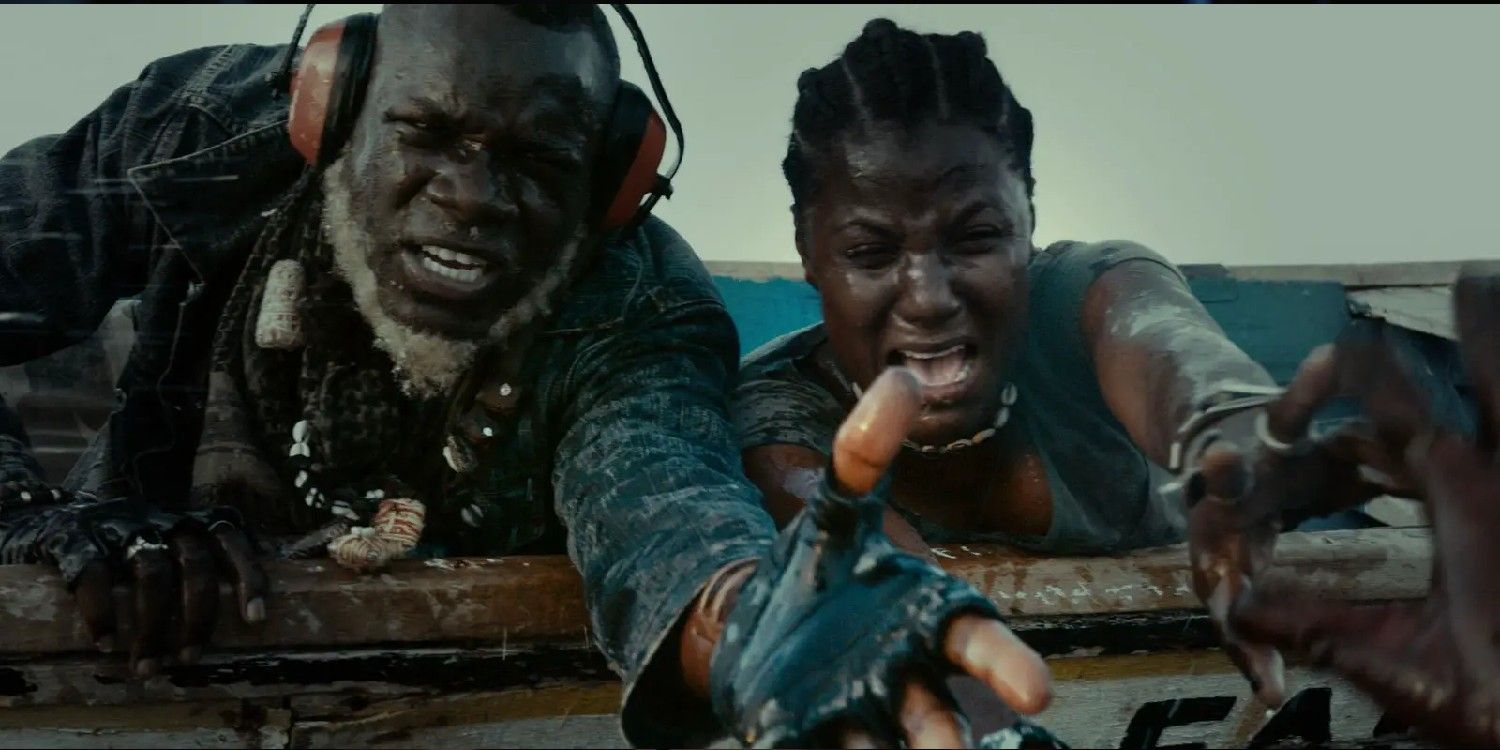
Soloum is a crime horror co-production from Senegal and France, directed by Congolese filmmaker Jean Luc Herbulot. The movie follows a trio of mercenaries as they through Senegal. The narrative is fictional, but it is inspired by true events and African legend, particularly the story of the Bainuk king Gana Sira Bana, who cursed his own people and land after an attempt to kill him. Soloum adapts this into a modern setting, reframing the fable as a crime thriller. The movie was critically lauded for its deft weaving of folklore into the storyline and received praise for the genre-bending narrative and tone.
4 Nanny (2022)
Based On Senegalese Folklore
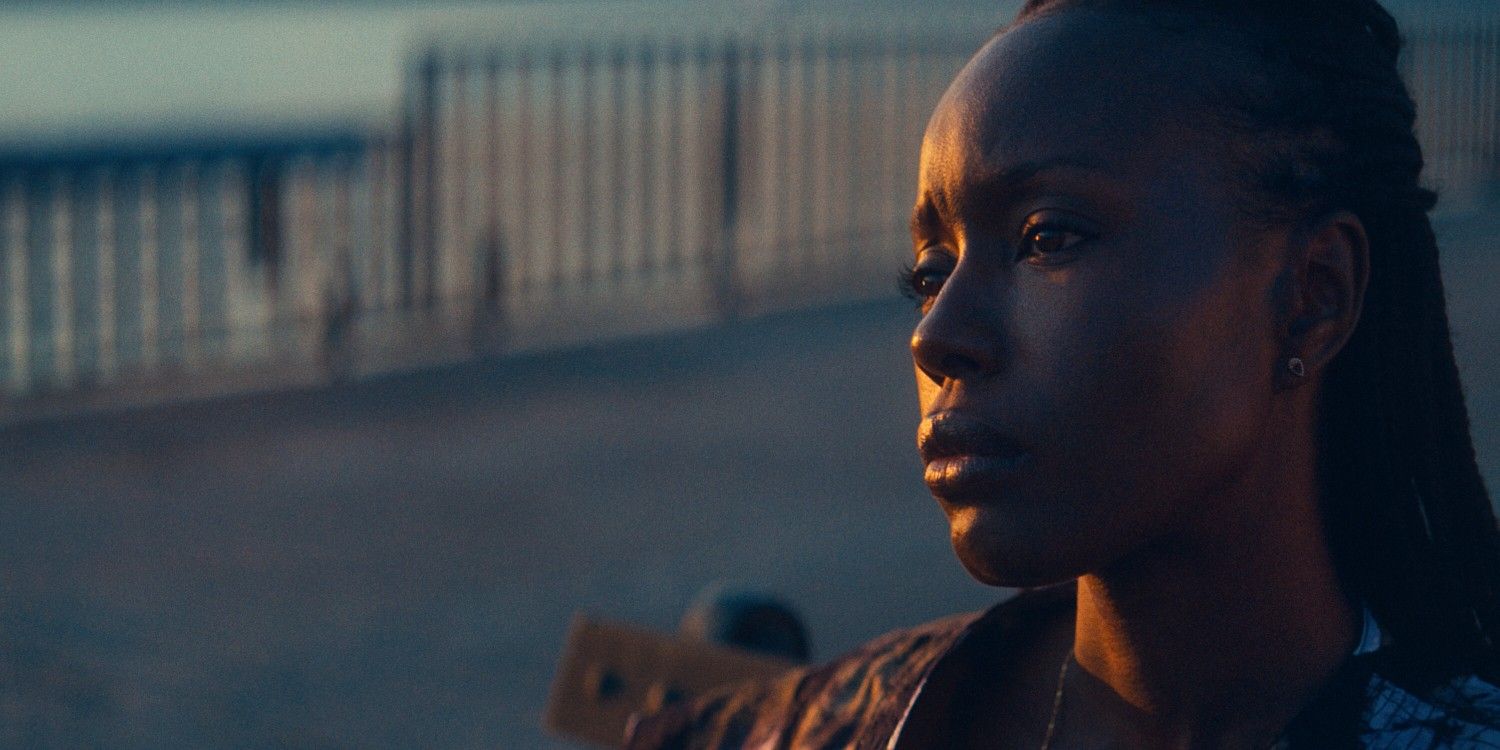
Nanny is a psychological horror film written and directed by Nikyatu Jusu and released on Prime Video. It depicts a Senegalese immigrant in New York City working as a nanny. The film explores themes of immigration and the realities of being a Black person in the U.S., a common subject in Black horror narratives. Nanny, however, also infuses Senegalese folklore, most notably the water spirit, Mami Wata. Nanny uses this as a means to examine maternity, as well as recalling folk horror’s proposition that previously held beliefs have been forgotten too soon, depicting the horrifying culmination of these beliefs confronting modern humanity.
3 The Tokoloshe (2018)
Based On Nguni Mythology From Southern Africa
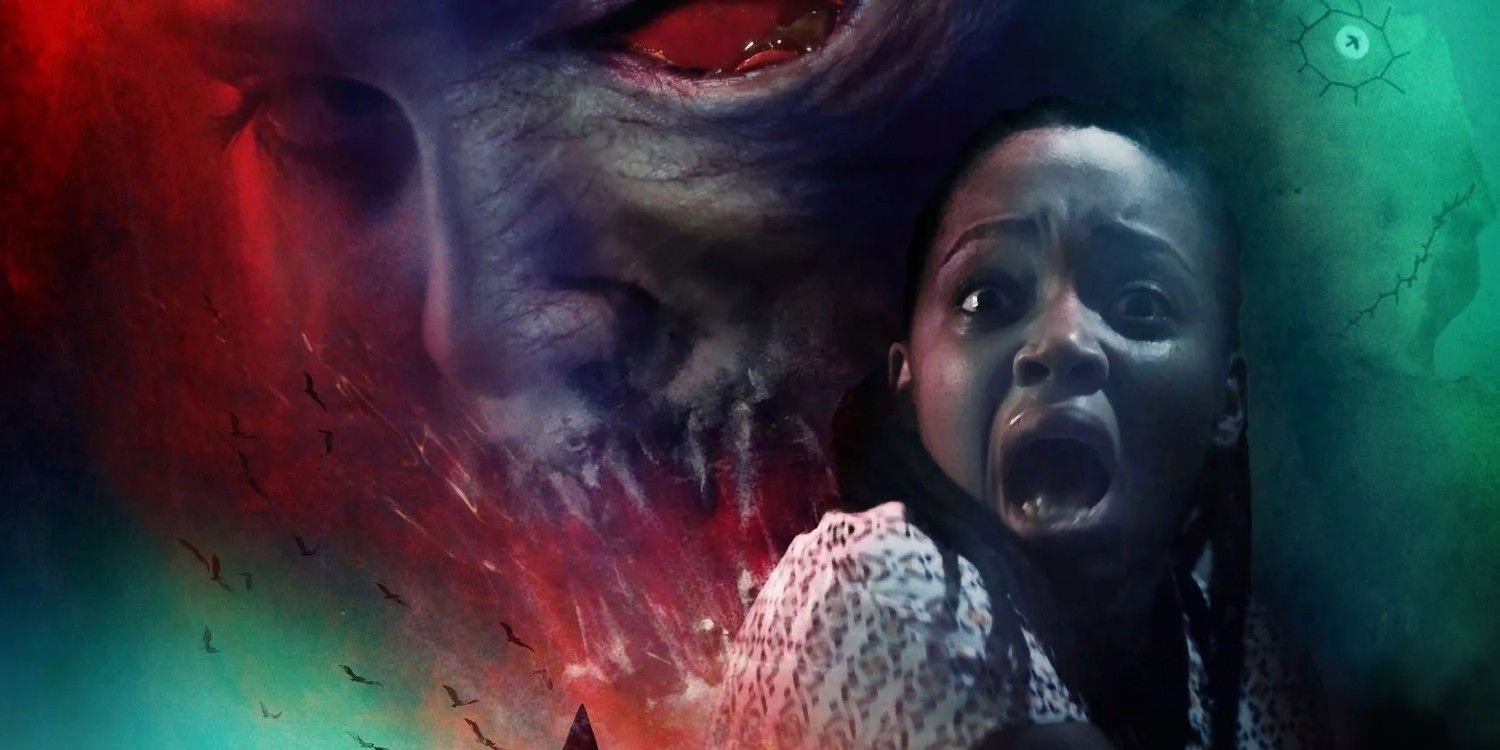
The Tokoloshe is a South African supernatural movie about a young woman named Busi (Petronella Tshuma) who attains a job as a hospital cleaner in Johannesburg, where she discovers a young girl beset by the eponymous Tokoloshe. A Tokoloshe (or Tikoloshe) is a dwarf-like water spirit in Nguni mythology, which is summoned to scare children or seek murderous revenge against people. It is considered the Zulu equivalent of a fairy, with equally horrifying origins and behavior as other fairy legends from around the world.
2 Achoura (2018)
Based On A Moroccon Legend
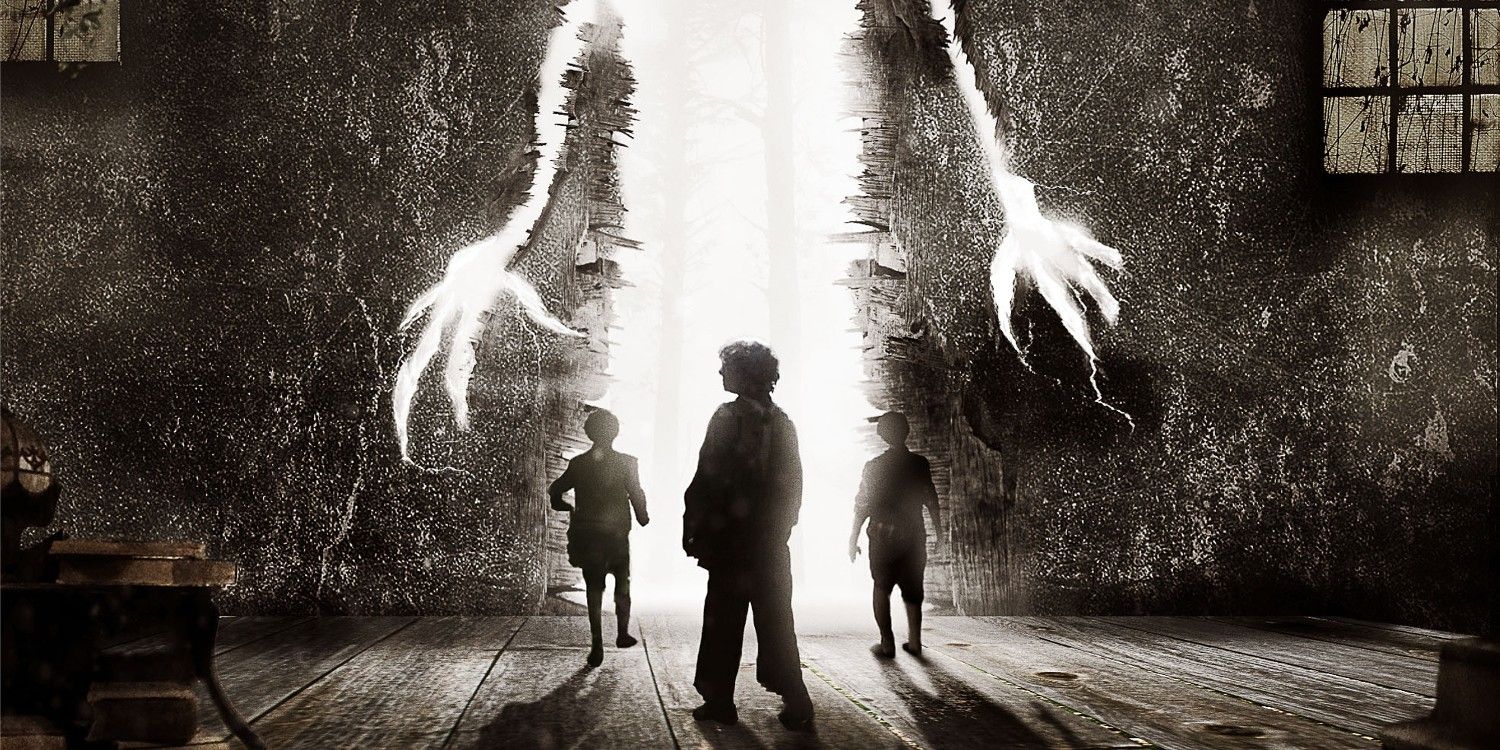
Achoura explores the Moroccan version of the djinn legend, or what is most commonly known as a genie. Achoura was written and directed by Talala Selhami and depicts four childhood friends reconnecting after one of them reappears after 25 years, resulting in them confronting a monstrous djinn. Achoura adapts the Moroccan legend into a horror creature feature, with a terrifyingly designed central monster offering many delightful scares rooted in North African folklore.
1 The Mummy (1932)
Based On Egyptian Mythology & Folklore

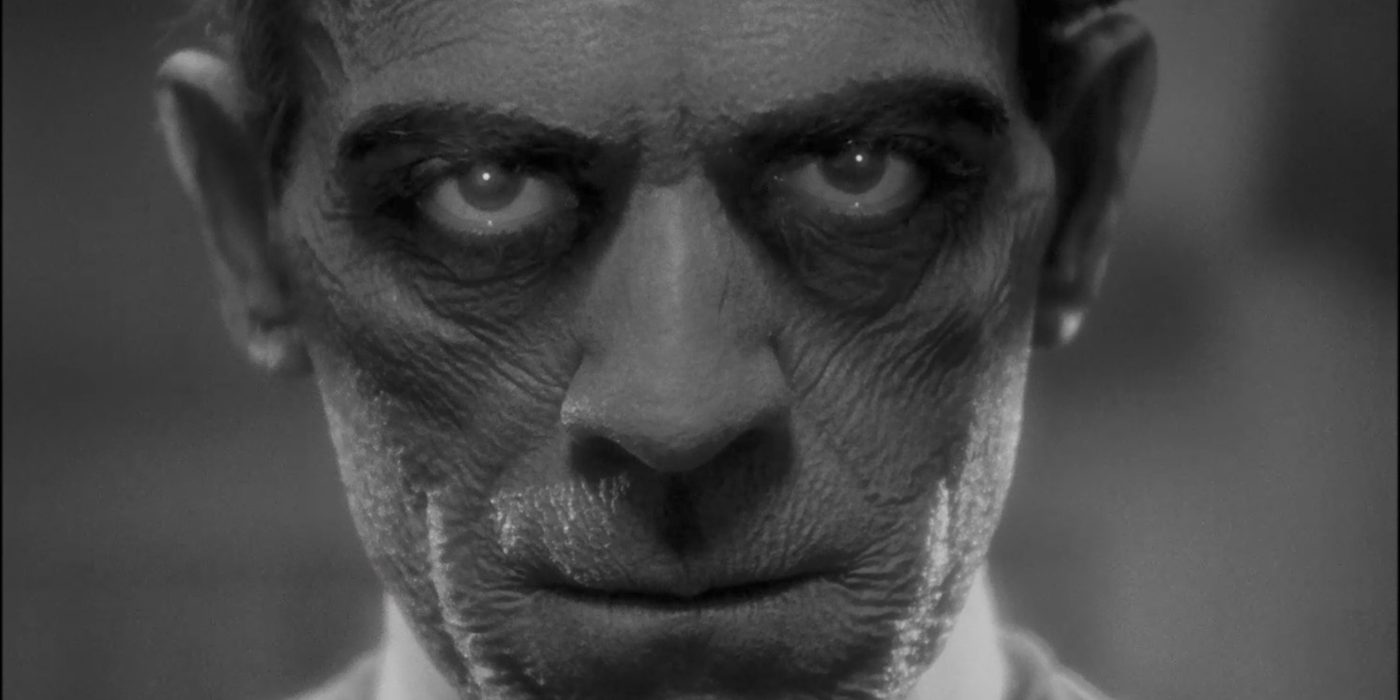
One of Boris Karloff’s best Universal Horror movies, The Mummy adapts Egyptian mythology and folklore in its plot concerning an ancient curse. Released in 1932, the film stars Karloff as the eponymous mummy, a terrifying high priest named Imhotep, who is accidentally resurrected by archeologists after they discover his tomb. Unlike most of these movies, The Mummy was produced from a Western perspective, so is perhaps not the most authentic example of African folkloric horror, but it is one of the earliest and most popular examples from the genre.