

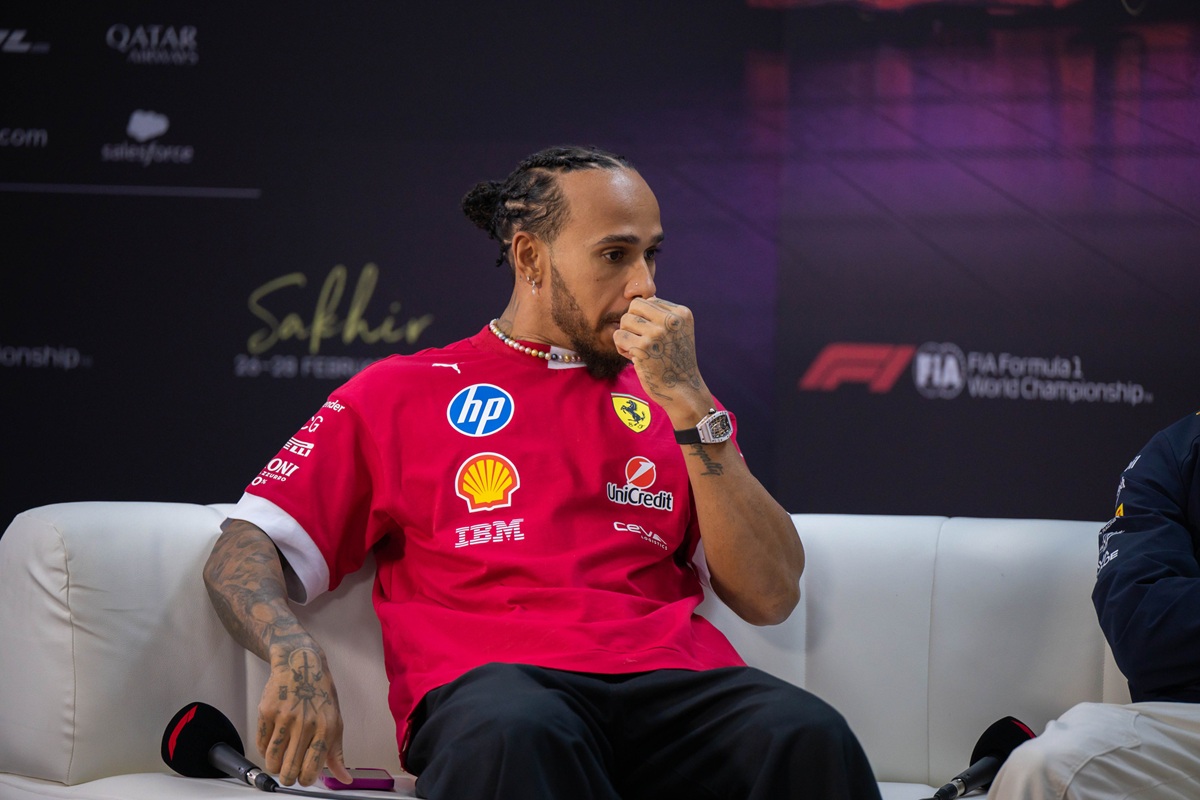
The money in Formula 1 feels unreal. However, it is not just about who wins on Sunday. It is also about who can move an audience on Monday. So, when people search for F1 driver earnings, they usually want one thing: a clear ranking that makes sense.
That is tricky, though. Driver pay is not fully public. Also, teams and drivers use different deal structures. Even so, several respected outlets publish annual estimates. So, this guide ranks F1 driver earnings using widely reported figures for 2025, then explains why the gaps are so big.
If you want a quick takeaway, it is this. The top of the grid earns superstar money. Meanwhile, the bottom of the grid can look closer to a typical elite-sport salary, especially for rookies.
F1 driver earnings ranked for 2025
This ranking focuses on estimated on-track pay, meaning salary plus performance bonuses when reported together. In other words, it aims at what the team pays the driver, not the full off-track brand empire.
Top 10 estimated earners (salary + bonuses)
- Max Verstappen
Estimated total: about $76m (reported as $65m salary + $11m bonuses) - Lewis Hamilton
Estimated total: about $70.5m (reported as $70m salary + $0.5m bonuses) - Lando Norris
Estimated total: about €48.9m (Forbes-based estimates reported in European press) - Oscar Piastri
Estimated total: about €31.9m - Charles Leclerc
Estimated total: about €25.5m (reported with little or no bonus in that same set of estimates) - Fernando Alonso
Estimated total: about €22.6m - George Russell
Estimated total: about €22.1m - Lance Stroll
Estimated total: about €11.5m - Carlos Sainz
Estimated total: about €11.1m - Kimi Antonelli
Estimated total: about €10.6m
Important note on currency: different reports publish figures in other currencies and formats. So, treat these as directional, not exact. What matters most is the order and the vast gaps between tiers.
The second ranking fans ask for: Base salary only
Some readers prefer a clean “contract salary” view. That can help you compare drivers without bonus noise. Also, it shows how much leverage a driver has before results even happen.
2025 Base salary snapshot (reported estimates)
RacingNews365 published a widely cited table of base salaries for 2025. Autoweek also summarised the same style of estimates and stated that it is salary only, not endorsements.
Top base salaries (reported)
Max Verstappen: about $65m
Lewis Hamilton: about $60m
Charles Leclerc: about $34m
Fernando Alonso: about $20m
Lando Norris: about $20m
Then it drops quickly into the mid-pack, before falling again for rookies and new contracts.
Why F1 driver earnings look “weird” compared to other sports
F1 is not a normal team sport. So, pay does not track wins directly. Instead, earnings follow leverage.
The car matters, so the brand matters
In football, one player can change a match. In F1, the car can change the season. That pushes teams to pay for drivers who reduce risk, build a brand, and deliver consistent points.
So, a top driver can be worth more than their lap time. They can bring sponsor confidence, global attention, and stability when the pressure hits.
Bonuses can explode earnings in a title fight
Base salary is steady. Bonuses are not.
So, if a driver hits big targets, the bonus stack can be huge. Also, when a title battle goes to the wire, the commercial value climbs fast. That is why the “total earnings” list can look different from the “salary” list.
The three pay tiers on the grid
To make F1 driver earnings easier to understand, split the paddock into three tiers. Then, compare like with like.
Tier 1: Global superstars
This tier is small. Also, it is expensive.
These drivers either deliver championships, carry the sport’s mainstream attention, or do both. That is why Verstappen and Hamilton sit at the top of most earnings lists.
Tier 2: Front-running anchors and proven leaders
This tier includes drivers who can win races in the right car and who can lead development.
They often earn strong base pay, and they can add bonuses when the team is competitive. Meanwhile, they still offer sponsor value, even if they are not the face of the entire sport.
Tier 3: Midfield, rookies, and rebuild projects
This tier is where pay spreads out the most.
Some drivers are on low rookie deals. Others are experienced and steady, but the team is not paying “title money.” Also, contract timing matters. A driver on an older deal may look underpaid compared to a rival who just signed after a breakout year.
Where endorsements fit into F1 driver earnings
People often mean two different things by “earnings.”
They might mean team pay, which is salary and bonuses. Or, they might mean total income, including sponsorship deals. Those are not the same.
F1 driver earnings: Why off-track money is hard to rank
Endorsement contracts vary by country, sponsor category, and even personal brand strategy. Also, some deals include equity, appearances, or long-term clauses.
That is why many annual lists focus on salary and bonuses first, then mention endorsements as extra context.
F1 driver earnings – cost cap reality check: Salaries sit outside the limit
Many fans assume the cost cap will crush driver wages. However, driver pay is not treated the same way as most team spending.
One explainer notes that driver salaries are among the exceptions to the F1 cost cap, which is one reason teams can still pay superstar money at the top.
So, the cap can squeeze staff’s F1 team budgets and development choices. Yet, it does not automatically squeeze the top driver contract in the same way.
What changes F1 driver earnings fastest
If you track F1 driver earnings year to year, three triggers usually move the numbers.
A championship run
Titles raise your floor. Also, they raise your bonus ceiling.
So, when a driver becomes a regular title threat, the next contract tends to look very different from the last one.
A big-team switch
A move to a glamour team can change media value overnight. It can also unlock new sponsor categories. That is why high-profile moves often come with headline salary figures in public estimates.
Timing and leverage
Contract timing is underrated.
If a driver signs early, they may leave money on the table. If they sign after a breakout year, they usually gain leverage. Meanwhile, teams also protect themselves with options and performance clauses, which can shift earnings without changing the “headline salary.”
Final thought: The ranking is simple, but the story is not
F1 driver earnings will always spark debate. That is because the deals are private, and the variables are messy.
Even so, the pattern is clear. The very top drivers earn superstar totals through salary and bonuses. Then the grid splits into tiers fast. Meanwhile, endorsements can reshape the “true” income picture, especially for the biggest names.
👉 Related: F1 Hall of Champions: Giuseppe ‘Nino’ Farina


