

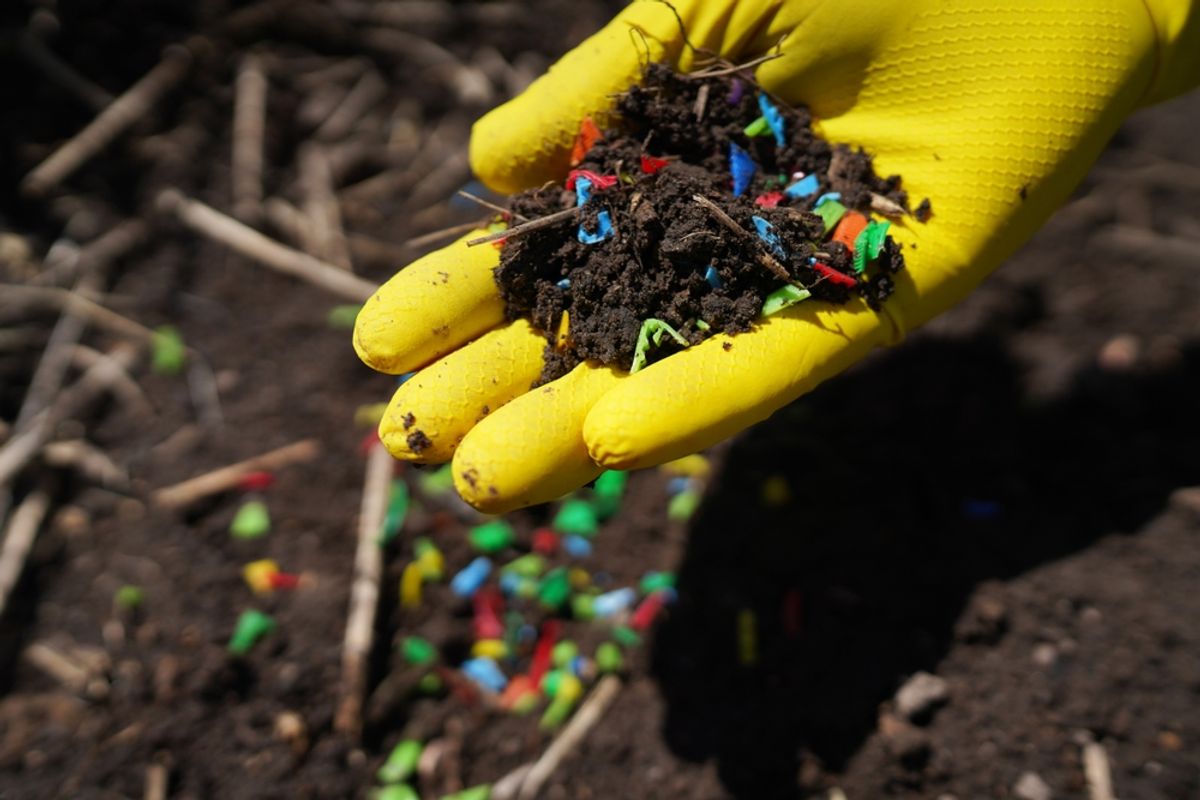
Plastic pollution is often seen as an eyesore or a hazard to wildlife. But scientists have found that discarded plastic may also be reshaping the microbial world in ways that directly affect human health.
A new perspective article published in Biocontaminant suggests that viruses living on plastic debris may be quietly accelerating the speed of antibiotic resistance, adding a troubling new dimension to the global plastic crisis, though further research is still needed.
Once plastic enters rivers, soils, or oceans, it does not remain inert for long. Instead, it becomes colonized by dense microbial communities — like bacteria, fungi, and viruses — that transform its surface into a thriving ecosystem. These plastic-associated biofilms, known collectively as the plastisphere, are already recognized as hotspots for antibiotic resistance genes. Now, researchers argue that viruses within these communities may be playing a central and largely overlooked role in helping those genes spread.
Read More: Some Compostable Dishes Contain Gluten and Can Transfer It into Food
Why Plastic Creates a Perfect Home for Resistance
Plastic provides microbes with a rare feature in nature: a stable, long-lasting surface that drifts through diverse environments. In the plastisphere, microorganisms cluster tightly together, exchanging nutrients, chemical signals, and genetic material. This crowded living arrangement creates ideal conditions for antibiotic resistance genes to accumulate.
While previous research had focused largely on bacteria, this new study shifts attention to viruses, which outnumber all other biological entities on Earth. Many of these viruses infect bacteria, embedding themselves deep into the plastisphere ecology.
“Most research has focused on bacteria in the plastisphere, but viruses are everywhere in these communities and interact closely with their hosts,” explained corresponding author Dong Zhu in a press release. “Our work suggests that plastisphere viruses may act as hidden drivers of antibiotic resistance dissemination.”
Because plastics move freely — flowing from cities to oceans or settling into agricultural soils— they may also transport resistant microbes and their viruses across environmental boundaries, extending the reach of resistance far beyond its original source.
How Viruses Help Resistance Spread
Viruses contribute to antibiotic resistance primarily through horizontal gene transfer, a process in which genetic material moves between organisms without reproduction. When viruses infect bacteria, they can accidentally package resistance genes and deliver them to new bacterial hosts. In the plastisphere biofilms, where microbes are densely packed, this genetic handoff may happen more frequently and across a wider range of species, including potential human pathogens.
Some viruses also carry auxiliary genes that enhance bacterial survival under stress. Exposure to antibiotics, pollutants, or harsh environmental conditions can favor bacteria that harbor these viral add-ons, indirectly boosting resistant strains.
The researchers also found that viral behavior is not uniform across environments. In aquatic plastispheres, viruses tend to adopt life strategies that promote gene exchange, potentially amplifying the risk of resistance. In soil environments, however, viruses may more often suppress resistant bacteria by killing their hosts outright.
The research team recommends future studies that directly measure gene exchange between viruses and bacteria on plastics to improve the detection of virus-encoded resistance genes. Such work could ultimately inform environmental monitoring, waste management policies, and strategies aimed at slowing the spread of antibiotic resistance before this hidden pathway becomes an even bigger public health threat.
Read More: A Simple Two-Step Process Can Remove Microplastics from Drinking Water
Article Sources
Our writers at Discovermagazine.com use peer-reviewed studies and high-quality sources for our articles, and our editors review for scientific accuracy and editorial standards. Review the sources used below for this article:

