

No matter how bad things get in the world of multibrand retail, there always seems to be someone who thinks they’ve cracked the code.
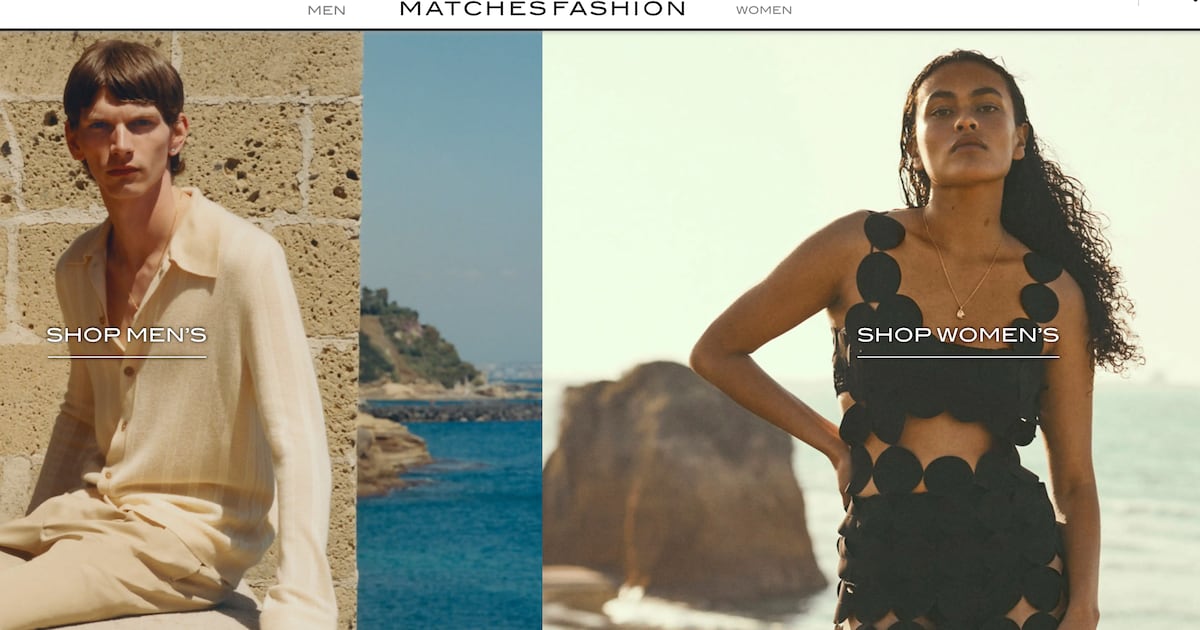
Matchesfashion, which shuttered last year, has been saved, again — this time by two young entrepreneurs who acquired the online luxury retailer’s intellectual property. The e-tailer will relaunch as simply Matches next year, its new operators said.
Matches isn’t the only multibrand retailer given a lifeline this week. Ssense, which filed for bankruptcy protection in August owing over $200 million to lenders and suppliers, received another extension to restructure its business. It now has until Feb. 19 to refinance before a possible forced sale.
Saks Global, meanwhile, has repeatedly worked out deals with lenders and vendors this year, though it faces another potential turning point with a more than $100 million interest payment due at the end of the month.
Heading into 2026, the narrative around these wholesale retailers is less around a comeback than triage. Radical shifts in how they operate will be required to survive.
Starting with Matches: Its new owner is Hulcan Group, a holding company created by Mario Maher and Joe Wilkinson, who are best known for launching the mystery box startup Heat and the members-only shopping app Mile. They purchased the intellectual property rights to Matches from Frasers Group, which has invested in Hulcan along with Palm Angels founder Francesco Ragazzi, LVMH Luxury Ventures and the Hermès Family.
Hulcan has secured $150 million in funding to revitalise Matches and its in-house brand Raey. The announcement was cagey on their plans, but it’s clear Matches won’t be returning as a conventional online department store.
Instead, Matches will be reimagined under Hulcan’s portfolio alongside Mile as a “highly curated, omnichannel experience fit for the future, Maher said in the announcement. Hulcan declined to comment beyond its announcement.
Hulcan’s talk of curation and omnichannel follows the conventional wisdom around how to revive retail. But they don’t answer the question of how this iteration of Matches will fix what broke the last version of the retailer. Matches is a name luxury shoppers trust, but by the end, it was relying on discounts to bring in sales. Perhaps Hulcan’s plan is to lean into the idea of affordable luxury: Mile is in the business of selling high-end brands’ excess inventory, after all.
Matches will need to bring more to the table than deals, however. Luxury consumers today are looking for reasons to shop in the first place. Why this retailer? Why this product? Why now?
The same questions apply to Ssense, which had curation down to a science, but was also addicted to endless discounting. Court protection has provided space for Ssense to get a handle on tariffs (a new requirement to pay levies on orders shipped from Canada to the US was an immediate cause of the bankruptcy, Ssense said). It appears to have done so, guaranteeing that American customers will not pay extra import fees.
But like Matches, Ssense hasn’t addressed the deeper challenge of persuading a more sceptical luxury customer that its site is worth visiting even when the merchandise isn’t marked 60 percent off. The same goes for Saks, which is losing customers to rivals like Mytheresa, Bloomingdale’s and Revolve’s FWRD, as well as a host of independent boutiques.
These competitors haven’t entirely solved wholesale’s many problems. Many of them also struggle with difficult vendor relationships, tariffs and fickle shoppers. But they have some strengths in common. Mytheresa curates tightly and lavishes top customers with high-touch service and events. FWRD invests heavily in personal shopping, bringing a layer of humanity to the often impersonal e-commerce experience. Independent boutiques like Elysewalker and Dover Street Market form emotional bonds with their customers, anticipating their every need and desire.
Matches, Ssense and Saks still have some assets to work with. Matches’ Raey could become a differentiator, just like FWRD parent Revolve’s many private labels that fill untapped niches in the market. Saks and Neiman Marcus were once known for excellent customer relations, and with some investment could be again. Ssense still has a strong identity for backing emerging brands and as a cultural voice that resonates with young, fashion-literate shoppers. Any one of these retailers could also plug into surging demand for contemporary brands, which offer an accessible, still luxurious value proposition for the many consumers priced out of traditional luxury labels.
For now, Ssense’s delayed emergence from bankruptcy protection and Saks’ plunging bond prices indicate investors are wary of the turnaround prospects at these troubled retailers. But the way forward is clear: less endless assortment, more commitment to a clear vision, and a more intimate relationship with consumers.

